
 EN
EN
 ar
ar bg
bg hr
hr cs
cs da
da nl
nl fi
fi fr
fr de
de el
el hi
hi it
it ko
ko no
no pl
pl pt
pt ro
ro ru
ru es
es sv
sv tl
tl iw
iw id
id lv
lv lt
lt sr
sr sk
sk sl
sl uk
uk vi
vi et
et hu
hu th
th tr
tr fa
fa ms
ms hy
hy ka
ka ur
ur bn
bn mn
mn ta
ta kk
kk uz
uz ku
ku
Reinforcement Stress Sensor
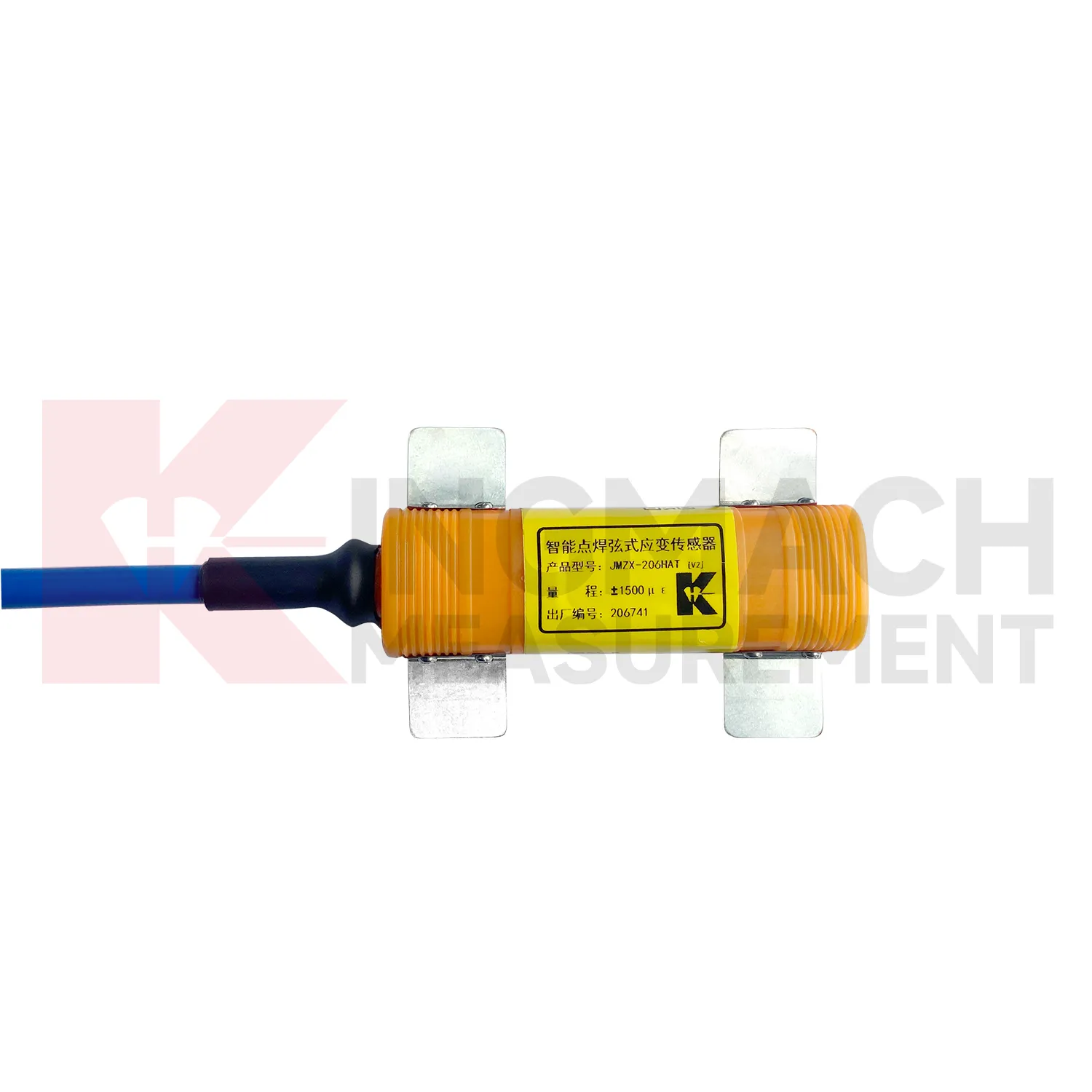
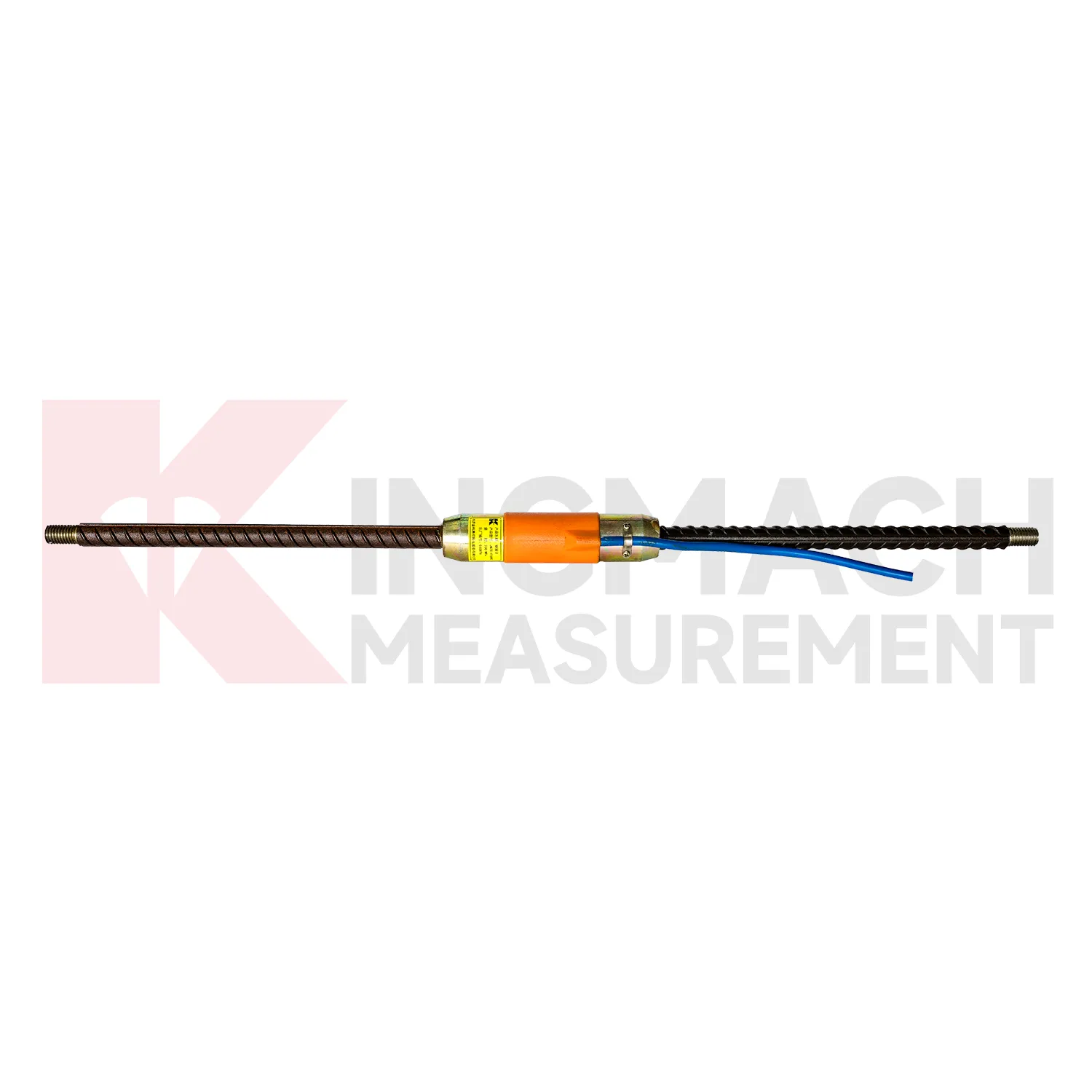
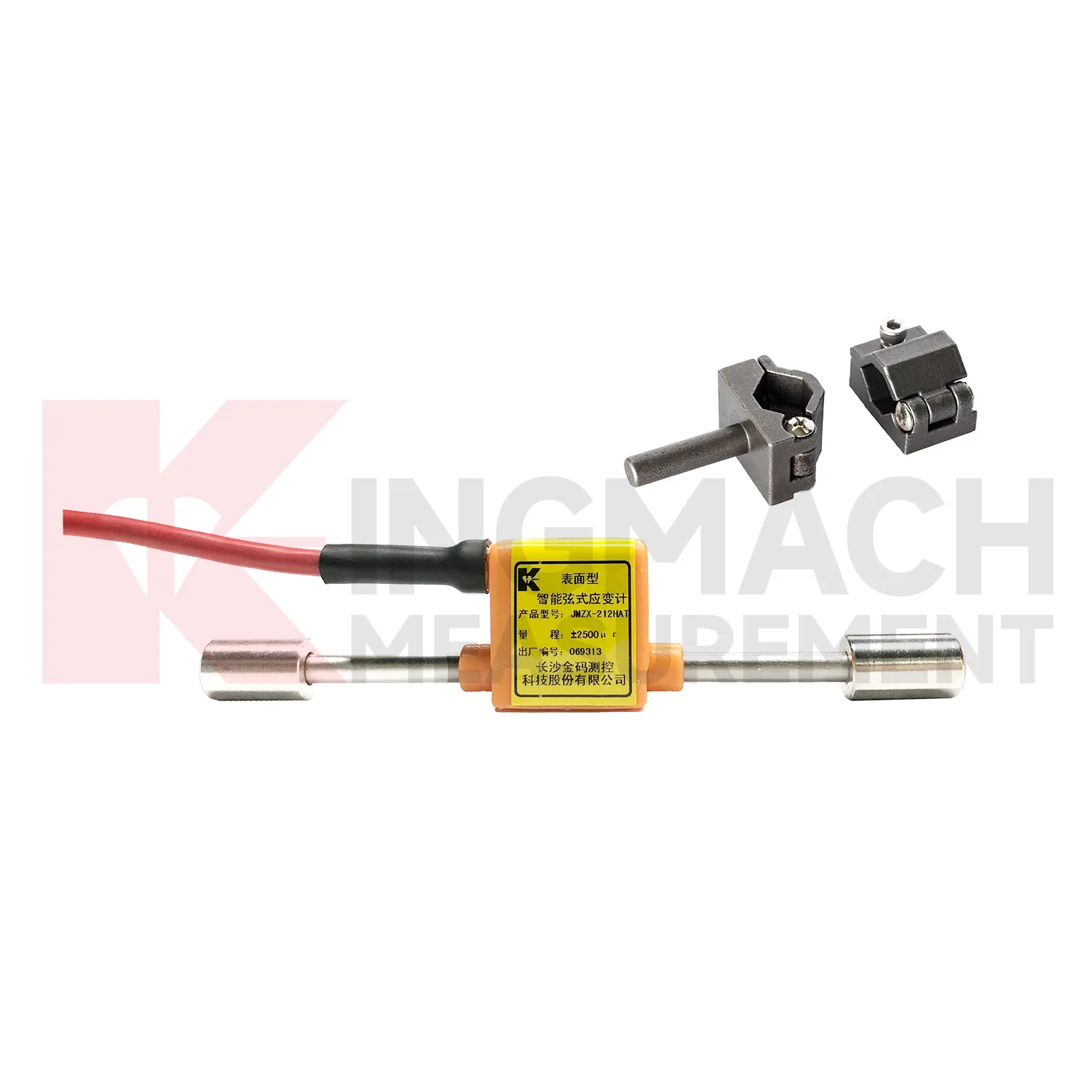
Kingmach {keyword} is designed for engineering strain monitoring where stable readings, field durability, and system compatibility matter. The JMZX-212HAT/HB surface model measures concrete or steel surface strain with a standard range of ±2500 microstrain, 0.5%F.S. strain accuracy, 0.1 microstrain resolution, and a 129 mm gauge length. Its vibrating wire structure uses welded anchoring and built in tension, which helps maintain reliable fixation without depending on shear resistance from the mounting base. The stainless steel fully sealed structure is rated for waterproof performance at depths up to 150 meters, making it suitable for wet or exposed field locations. When used with Kingmach comprehensive readout units or automated acquisition systems, readings can be displayed as physical values or frequency in Hz. The temperature version includes a built in temperature sensor, with a thermometer range from -40℃ to +120℃ and ±0.5℃ temperature measurement accuracy for strain correction. These details give procurement and engineering teams enough information to compare the product against site needs such as measuring range, waterproofing, temperature correction, installation method, and acquisition compatibility. They also keep the specification tied to tested product data instead of loose performance assumptions. A clear specification record reduces confusion when the same project uses surface, embedded, welded, and rebar based instruments together.
Application of Reinforcement Stress Sensor
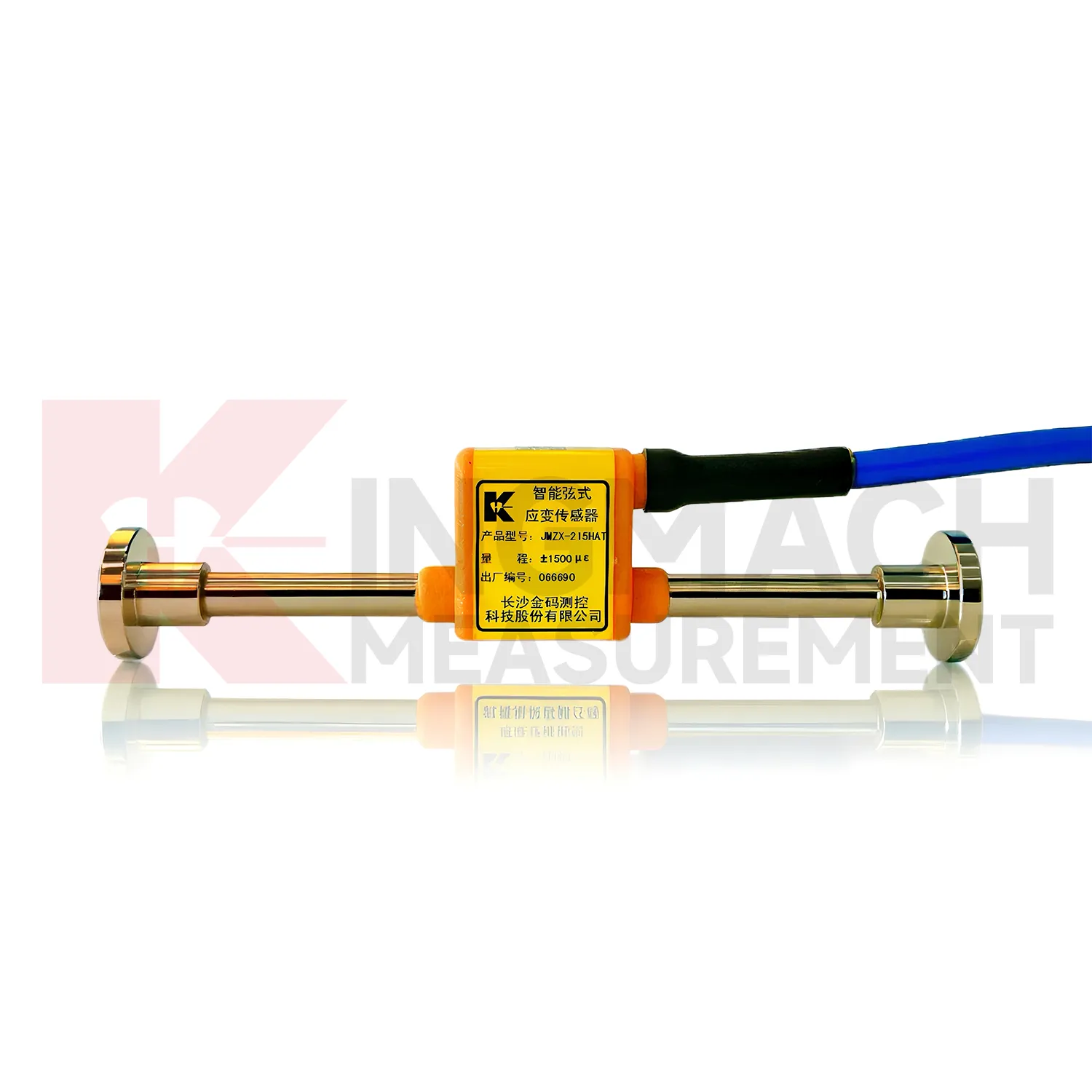
In industrial equipment and load testing, {keyword} can be used on presses, cranes, conveyor frames, lifting fixtures, test beams, calibrated force elements, and strain gauge load cell assemblies. The pain point is uneven force distribution, overload, fatigue, or misalignment that may not be visible during operation. Kingmach surface gauges offer 0.5%F.S. strain accuracy and 0.1 microstrain resolution, while the welded model's low height design helps reduce bending deformation errors on steel members. For force related monitoring, strain readings can support load calculation when the mechanical element and calibration method are properly designed. Data can be read through comprehensive readouts or automated acquisition modules, giving maintenance teams a usable record during factory testing, equipment commissioning, or repeated service checks. For procurement teams, the equipment package behind the sensor should be clear: the gauge, cable, readout, acquisition unit, communication device, platform access, and maintenance record. For field use, the strain point should be named, mapped, protected, and reviewed with nearby sensors before any alarm is judged. The same record can support staged construction control, post event inspection, and long term maintenance planning. When data is collected automatically, engineers can compare daily movement instead of relying on occasional manual readings.
The future of Reinforcement Stress Sensor
The next generation of {keyword} will likely combine traditional vibrating wire stability with newer communication and analytics tools. MEMS devices, fiber optic sensing, LoRa transmission, 5G gateways, and edge computing will not replace every vibrating wire strain gauge, especially in long term civil monitoring, but they will change how data is collected and reviewed. Kingmach's position is strongest where sensors, acquisition hardware, and platform software work together. A surface gauge with 0.1 microstrain resolution, an embedded gauge with 150 meter waterproof durability, or a welded model with digital record storage can feed the same monitoring workflow. The trend is not vague intelligence. It is better sensor identity, fewer manual readings, faster comparison, and more reliable maintenance decisions. Kingmach's strain gauge range already gives a base for that shift because it includes waterproof vibrating wire models, temperature versions, digital detection, automated acquisition support, and platform connectivity. The strongest gains will come from cleaner records and faster fault checks.
Care & Maintenance of Reinforcement Stress Sensor
Preventive maintenance for {keyword} should be scheduled around site risk. Bridges may need checks after heavy traffic incidents, storms, or repair welding. Tunnels and foundation pits may need checks after excavation stages, water inflow, or support changes. Dams may need review during reservoir level changes. Kingmach strain products provide parameters such as 0.5%F.S. accuracy, 0.1 microstrain resolution, waterproof structures, and temperature correction, but those strengths only help when the monitoring point stays protected. Keep a simple maintenance routine: inspect seals and cables, compare baseline trends, verify logger settings, record site events, and flag suspicious channels for engineering review. That routine is plain work, but it prevents expensive confusion later. This keeps maintenance practical for contractors and owners who need reliable records without turning every strain change into an emergency. Review the channel after major site work. Replace damaged protection before water reaches the connection. Compare suspicious readings with nearby channels before repair decisions.
Kingmach Reinforcement Stress Sensor
Engineers select {keyword} when the monitoring point must stay close to the material being measured. Surface models follow strain on concrete or steel. Embedded models are tied to rebar or brackets before concrete placement. Weldable models are fixed to steel members after surface preparation. Rebar strainmeters replace or connect with reinforcing bars to read stress inside reinforced concrete. Kingmach's strain gauge products share the same purpose even when their installation methods differ: they help describe how load, temperature, settlement, vibration, or construction activity changes the stress state of a structure. The result is a measured strain history that can be checked during inspection rather than reconstructed from memory. Temperature correction, automated acquisition, and long distance signal transmission can be included when the project needs continuous readings from exposed or hard to reach locations. Site records matter. That field record supports later inspection. It also gives engineers a cleaner baseline for later comparison.
FAQ
Q: How should {keyword} be maintained?
A: Inspect the sensor protection, cable route, junction boxes, seals, channel labels, and baseline trends. Compare readings with temperature and nearby sensors before judging an alarm.
Q: How often should calibration be checked?
A: Follow project requirements and review calibration before load tests, major construction stages, repair work, or when readings drift without a clear site reason.
Q: What causes unstable readings?
A: Common causes include loose wiring, water entry, damaged cable jackets, poor grounding, surface debonding, weak welds, wrong acquisition settings, and real structural movement.
Q: Can the sensor be replaced after embedment?
A: Usually not without structural work, so embedded gauges need careful installation, cable protection, and documentation before concrete is poured.
Q: What records should be kept?
A: Keep model, serial number, calibration coefficients, location, installation photos, cable route, channel name, baseline readings, and maintenance notes.
Reviews
Ryan Lewis
Fast delivery and excellent product quality. The accelerometers and tiltmeters are highly reliable. Strongly recommend this company.
Joshua Clark
We ordered a full monitoring solution including sensors and data loggers. Everything works seamlessly together. Great supplier!
Latest Inquiries
To protect the privacy of our buyers, only public service email domains like Gmail, Yahoo, and MSN will be displayed. Additionally, only a limited portion of the inquiry content will be shown.
Charlotte***@gmail.comUnited Arab Emirates
Hi, we require instrumentation cables suitable for harsh environments. Could you advise on specifica...
Isabella***@gmail.comGermany
Hello, we are evaluating weir flow meters for a water management project. Please share accuracy deta...
Related product categories
- strain gauge wheatstone bridge
- strain gauge data logger
- half bridge strain gauge
- sensor strain gauge
- strain gauge signal conditioner
- digital strain gauge indicators
- strain gauge data acquisition
- strain gauge data acquisition system
- strain gauge daq
- strain gauge meter
- strain gauge reader
- strain gauge full bridge force sensors