
 EN
EN
 ar
ar bg
bg hr
hr cs
cs da
da nl
nl fi
fi fr
fr de
de el
el hi
hi it
it ko
ko no
no pl
pl pt
pt ro
ro ru
ru es
es sv
sv tl
tl iw
iw id
id lv
lv lt
lt sr
sr sk
sk sl
sl uk
uk vi
vi et
et hu
hu th
th tr
tr fa
fa ms
ms hy
hy ka
ka ur
ur bn
bn mn
mn ta
ta kk
kk uz
uz ku
ku
Test dedicated shielded wire
The practical function of Kingmach Test dedicated shielded wire is to keep signals and power paths stable between field instruments and monitoring hardware. A cable route may look minor on drawings, but it determines whether data reaches the recorder cleanly after rain, vibration, bending, interference, or routine site work. Layered shielding helps with electrical noise. Water-resistant insulation and sealing help with wet exposure. Wear resistance helps when routes pass through areas that may be handled, moved, or inspected repeatedly. The cable specification should therefore be reviewed with the same care as sensor range and recorder channel count.
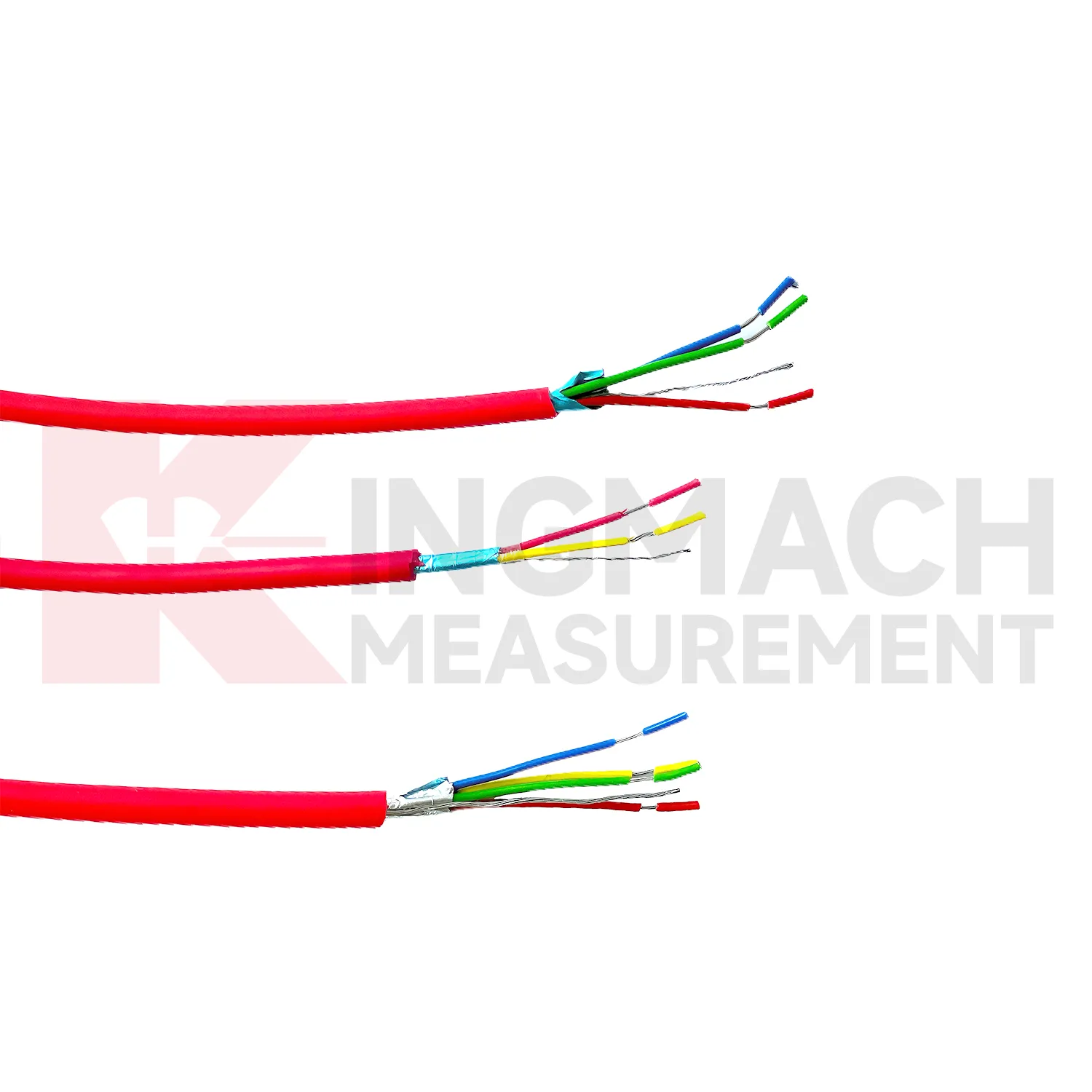
Application of Test dedicated shielded wire
Slope monitoring uses Kingmach Test dedicated shielded wire to carry signals from displacement, settlement, pore pressure, rainfall, and inclination instruments back to acquisition equipment. Field routes may cross open ground, drainage ditches, retaining structures, or equipment boxes exposed to weather. A cable with waterproof, moisture-proof, and wear-resistant behavior helps reduce failures caused by rain, soil movement, route damage, or repeated maintenance access. When cable records are linked to sensor IDs and drawing locations, engineers can identify whether a reading change is related to ground behavior or a damaged route.
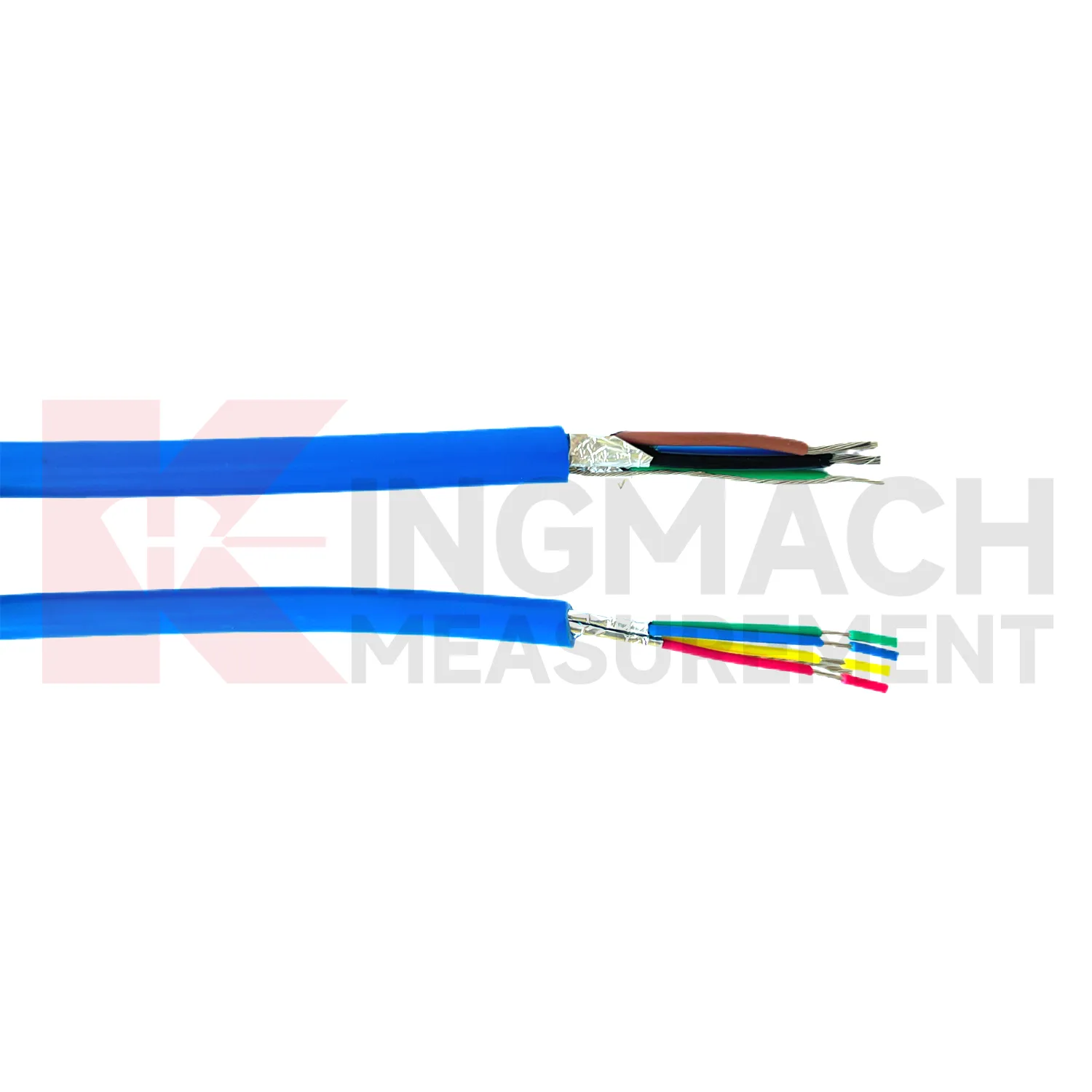
The future of Test dedicated shielded wire
Future use of Kingmach Test dedicated shielded wire will be tied more closely to digital monitoring networks. As owners connect bridges, tunnels, dams, slopes, and buildings to online platforms, cable quality will remain a quiet but critical part of data trust. Wireless links may handle part of the communication path, but many field sensors still need stable power and signal routes at the measurement point. Shielded, sealed, and well-documented cables will help automated systems separate true structural events from connection noise, moisture faults, or channel interruptions.
Care & Maintenance of Test dedicated shielded wire
Before installing Kingmach Test dedicated shielded wire, confirm the route, core count, cable model, wet exposure, interference sources, bending points, and cabinet entry method. JMZX-XPX is suitable when shielded signal transmission is the priority, while JMZX-XSX should be considered where hydraulic, humid, or underwater conditions add sealing and tensile demands. Do not let the final route be decided only after workers arrive on site. A short pre-installation review prevents cable shortages, wrong core use, poor conduit placement, and rushed terminations that later create unstable readings.
Kingmach Test dedicated shielded wire
Kingmach Test dedicated shielded wire should be treated as engineered components of the monitoring system. They connect physical instruments to data review, alarms, reports, and maintenance decisions. JMZX-XPX, with layered shielding for test use, supports accurate signal transmission in noisy or precise sensor applications. JMZX-XSX, with added waterproof and tensile properties, supports hydraulic engineering and humid field sections. Both product lines are available in two-core, three-core, four-core, six-core, seven-core, nine-core, and ten-core forms, with common delivery lengths of 2 m or 6 m depending on core count. Used with proper routing and documentation, they help keep structural monitoring data steady over long service periods.
FAQ
Q: How do these cables affect online monitoring?
A: Cleaner cable input helps acquisition modules send steadier data to platforms, alarms, and trend reports.
Q: What should be recorded at handover?
A: Record model, core count, used conductors, spare conductors, route drawing, terminal numbers, and commissioning values.
Q: How should repair work be logged?
A: Write down the fault, removed section condition, new cable details, connector work, and the first stable reading afterward.
Q: Why do spare cores need records?
A: Unrecorded spare cores can confuse later expansion work or lead technicians to disturb an active channel.
Q: Can cable planning reduce site visits?
A: Yes. Clear routing, sealing, labels, and model selection help technicians locate faults without repeated trial checks.
Reviews
Andrew Lee
The visualization software is intuitive and powerful. It helps us analyze monitoring data efficiently.
Daniel Brown
Excellent environmental monitoring sensors. The data is consistent, and the system integrates smoothly with our existing setup.
Latest Inquiries
To protect the privacy of our buyers, only public service email domains like Gmail, Yahoo, and MSN will be displayed. Additionally, only a limited portion of the inquiry content will be shown.
Harper***@gmail.comIndia
Dear Sir, we are planning to procure a complete monitoring system including strain gauges, tiltmeter...
Ava***@gmail.comAustralia
Hi, I am looking for reliable tiltmeters and accelerometers for structural health monitoring. Please...
Related product categories
- Singlelayer Shielded Test Cable
- Multicore Shielded Test Cable
- 2core / 4core / 6core / 8core Hydrological Cable
- Corrosionresistant Hydrological Cable
- Shielded Hydrological Cable
- Multicore Hydrological Cable
- Data Transmission Cable
- Automated Equipment Test Cable
- Sensor Shielded Test Cable
- Motor Shielded Test Cable
- Signal Cables
- Test dedicated shielded wire