
 EN
EN
 ar
ar bg
bg hr
hr cs
cs da
da nl
nl fi
fi fr
fr de
de el
el hi
hi it
it ko
ko no
no pl
pl pt
pt ro
ro ru
ru es
es sv
sv tl
tl iw
iw id
id lv
lv lt
lt sr
sr sk
sk sl
sl uk
uk vi
vi et
et hu
hu th
th tr
tr fa
fa ms
ms hy
hy ka
ka ur
ur bn
bn mn
mn ta
ta kk
kk uz
uz ku
ku
digital strain gauge indicators
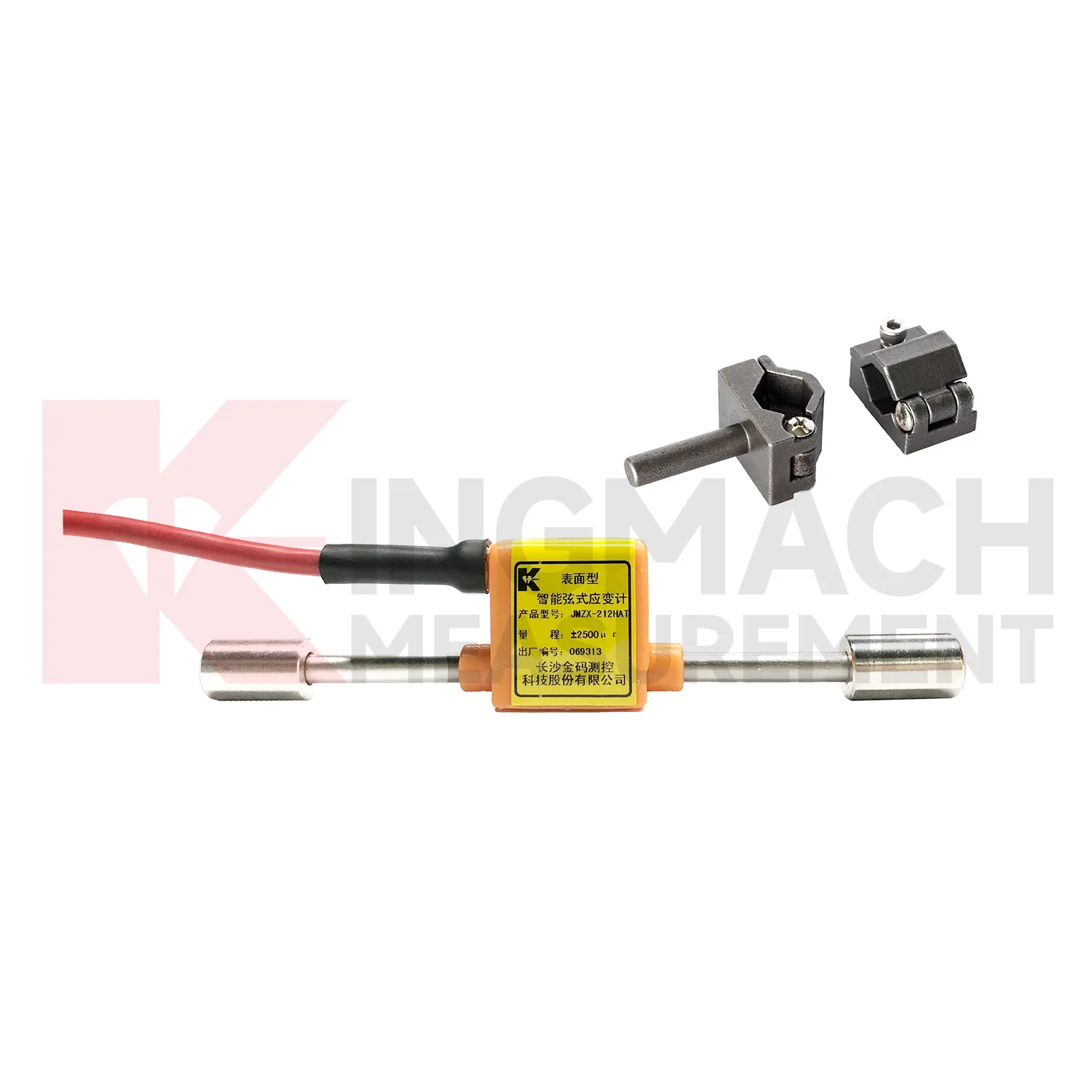
Kingmach {keyword} can be selected for different strain measurement tasks without changing the basic monitoring logic. For exposed concrete or steel surfaces, the JMZX-212HAT/HB model reads surface strain and supports temperature correction. For internal concrete behavior, the JMZX-215HA/215HAT/HB model is installed before pouring and monitors shrinkage, creep, and service strain. For steel structures, the JMZX-206HAT model uses spot welding and offers a -1500 to +2500 microstrain range. For reinforcement stress, the JMZX-4XXHAT/HB rebar strainmeter covers -200 MPa to 350 MPa. Kingmach pairs these instruments with readouts, acquisition systems, and monitoring platforms, allowing project teams to move from a single reading to a managed strain record across construction and operation. This supports several purchasing paths because the information remains product based while still covering manufacturer capability, supplier support, data acquisition, pressure sensing, force sensing, and structural monitoring needs. That is why model data, calibration values, and channel labels should travel with the product from procurement to commissioning. For field teams, those details also shape installation tools, spare cable length, readout selection, and protection work. They also help the owner decide whether manual reading, scheduled logging, or unattended monitoring is the better operating method.
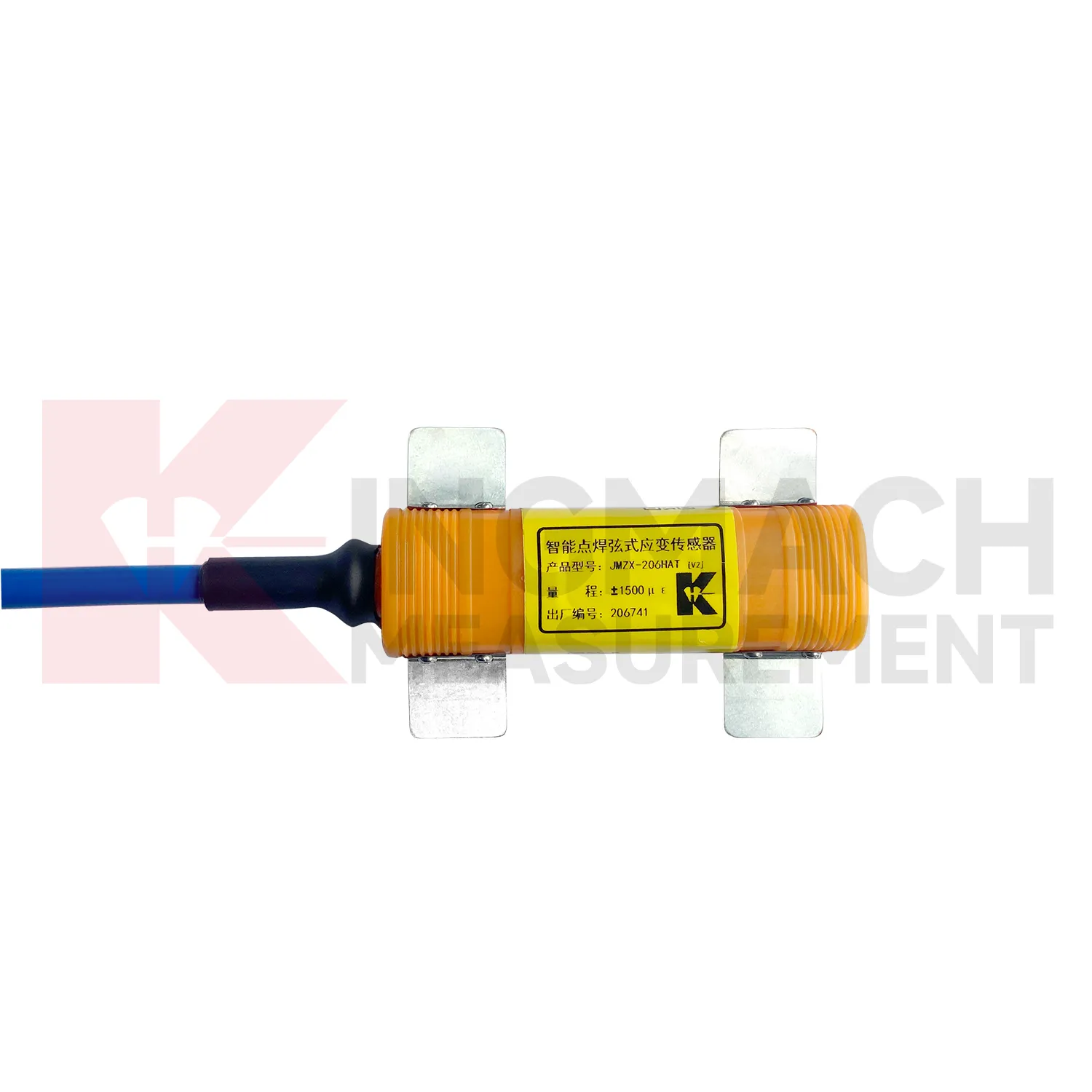
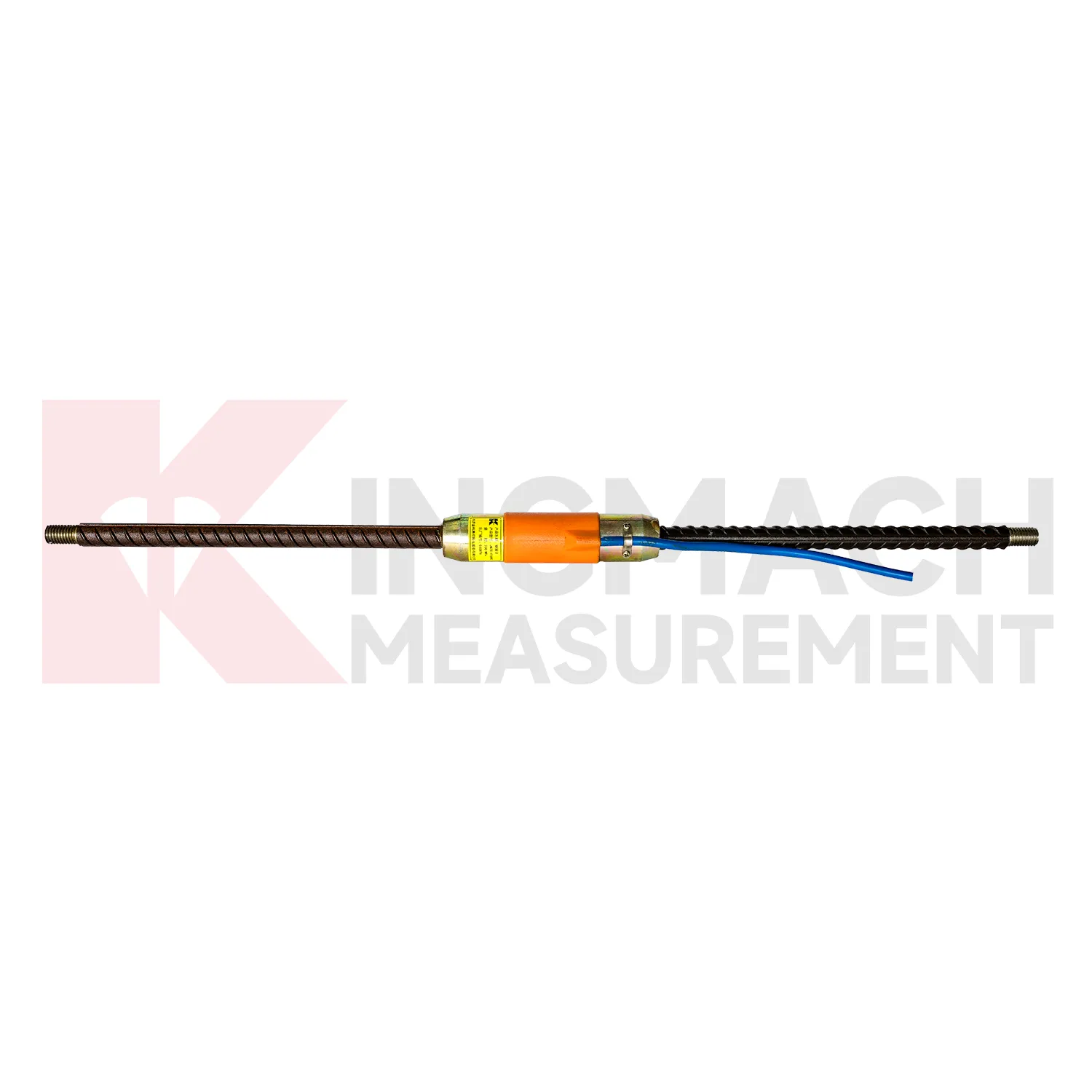
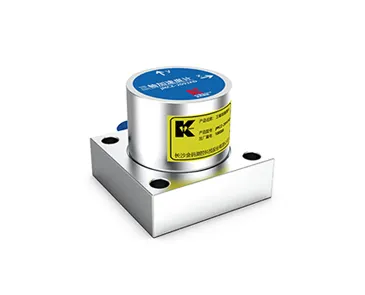
Application of digital strain gauge indicators
For pile foundations and cast in place concrete work, {keyword} helps engineers observe internal strain, reinforcement stress, concrete shrinkage, and load transfer after the member is no longer visible. Kingmach JMZX-215HA/215HAT/HB embedded gauges are tied to rebar or special supports before pouring, then used after the concrete reaches strength. They provide a ±1500 microstrain range, 0.1 microstrain resolution, 146 mm gauge length, and temperature measurement accuracy of ±0.5℃ when equipped with the temperature version. For rebar stress, the JMZX-4XXHAT/HB model covers -200 MPa to 350 MPa. These parameters support pile load tests, foundation performance monitoring, and long term settlement related stress review. The readings help separate normal concrete curing behavior from structural stress changes caused by loading or ground movement. Parameters such as 0.5%F.S. accuracy, 0.1 microstrain resolution, temperature correction, and waterproof protection give engineers a reason to trust the readings when the monitored point is exposed to field conditions. When data is collected automatically, engineers can compare daily movement instead of relying on occasional manual readings. This gives the project team a better way to separate normal behavior from a change that needs inspection. For field use, the strain point should be named, mapped, protected, and reviewed with nearby sensors before any alarm is judged.
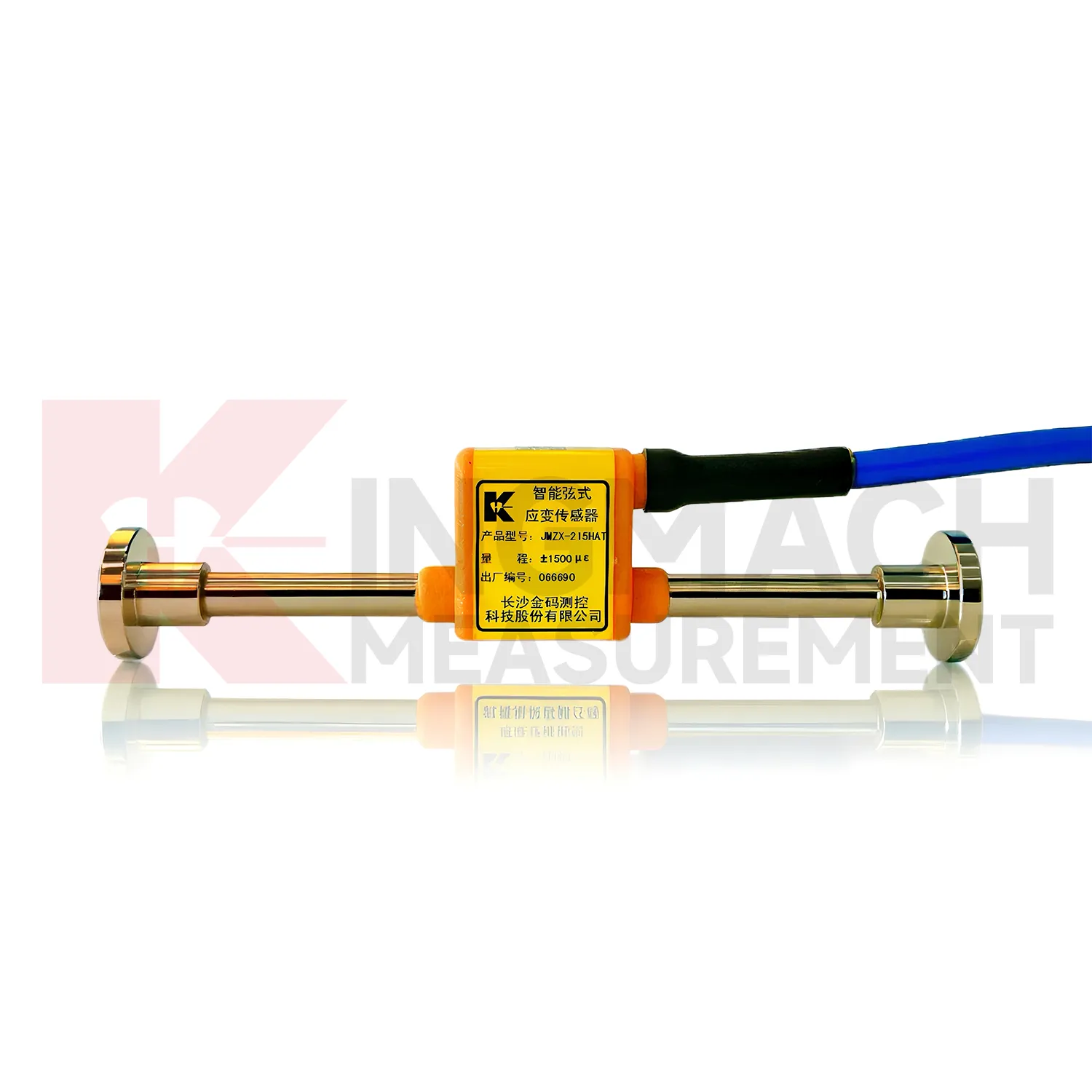
The future of digital strain gauge indicators
The future of {keyword} will move toward connected monitoring rather than isolated readings. Kingmach already pairs vibrating wire strain gauges with comprehensive readouts, automated acquisition systems, wireless loggers, DTUs, and cloud platforms. The next step is cleaner integration with IoT networks, where strain readings from bridges, tunnels, dams, and buildings can be checked beside displacement, settlement, vibration, temperature, and water pressure. 5G, LoRa, and low power edge devices will make remote projects easier to manage, especially on slopes, reservoirs, and transport corridors. The sensor still has to be installed correctly; technology will not fix poor bonding or a damaged cable. But better diagnostics, channel maps, and data timestamps can help engineers find problems earlier and keep long term records easier to trust. For Kingmach, that direction fits its existing mix of sensors, automated systems, and smart monitoring platforms. The product can stay close to field measurement while the data path becomes more connected.
Care & Maintenance of digital strain gauge indicators
Waterproofing needs regular attention when {keyword} is used in tunnels, dams, foundations, slopes, and buried reinforced concrete. Kingmach surface and embedded vibrating wire models use fully sealed stainless steel structures with waterproof performance up to 150 meters, while JMZX-4XXHAT/HB rebar strainmeters provide 2 MPa waterproof performance. These ratings help, but they do not remove the need for field checks. During installation, seal transitions, protect cable exits, and keep connectors above standing water when possible. During operation, inspect for damaged jackets, loose conduit, corrosion, mud blockage, and water paths along cables. If readings become unstable after rainfall, excavation, or repair work, check the cable and junction route before replacing the sensor. For procurement teams, these maintenance details should be reviewed before ordering cables, protective accessories, readouts, and acquisition cabinets, not after the first unstable reading appears. Replace damaged protection before water reaches the connection. Compare suspicious readings with nearby channels before repair decisions.
Kingmach digital strain gauge indicators
{keyword}can support both short term tests and permanent monitoring. During load testing, it helps confirm whether a beam, pile, support member, or force element responds as expected under controlled loading. During operation, it tracks strain changes caused by traffic, water pressure, ground movement, wind load, or equipment vibration. Kingmach's field experience across bridges, dams, tunnels, rail stations, slopes, and buildings makes the product group relevant to civil infrastructure rather than clean bench testing only. The best use begins with a clear measurement point, proper installation, protected cabling, and a data logger or platform that keeps the readings traceable. That makes the product information useful for surface gauges, embedded gauges, welded gauges, and rebar strainmeters without losing technical sense. That field record supports later inspection. It also gives engineers a cleaner baseline for later comparison. The same data can guide inspection notes and repair timing. Site records matter.
FAQ
Q: How do I select {keyword} for concrete structures?
A: Use embedded gauges for internal concrete strain, surface gauges for exposed concrete, and rebar strainmeters when reinforcement stress is the main concern.
Q: Which model fits steel structures?
A: JMZX-206HAT is designed for surface welded installation on steel members and covers -1500 to +2500 microstrain.
Q: Can it measure temperature too?
A: Temperature versions can measure the monitoring point temperature, with a thermometer range from -40℃ to +120℃ and ±0.5℃ accuracy on listed models.
Q: What should be checked before installation?
A: Confirm surface preparation, model type, cable route, channel name, acquisition setting, waterproof protection, and calibration data.
Q: Can it connect to automatic data collection?
A: Yes. Kingmach gauges can be paired with comprehensive readouts and automated acquisition systems for unattended measurement.
Reviews
Christopher Martinez
Very satisfied with the readouts & data loggers. User-friendly interface and supports multiple sensor inputs.
Joshua Clark
We ordered a full monitoring solution including sensors and data loggers. Everything works seamlessly together. Great supplier!
Latest Inquiries
To protect the privacy of our buyers, only public service email domains like Gmail, Yahoo, and MSN will be displayed. Additionally, only a limited portion of the inquiry content will be shown.
Charlotte***@gmail.comUnited Arab Emirates
Hi, we require instrumentation cables suitable for harsh environments. Could you advise on specifica...
Isabella***@gmail.comGermany
Hello, we are evaluating weir flow meters for a water management project. Please share accuracy deta...