
 EN
 ar
 bg
 hr
 cs
 da
 nl
 fi
 fr
 de
 el
 hi
 it
 ko
 no
 pl
 pt
 ro
 ru
 es
 sv
 tl
 iw
 id
 lv
 lt
 sr
 sk
 sl
 uk
 vi
 et
 hu
 th
 tr
 fa
 ms
 hy
 ka
 ur
 bn
 mn
 ta
 kk
 uz
 ku

strain gauge
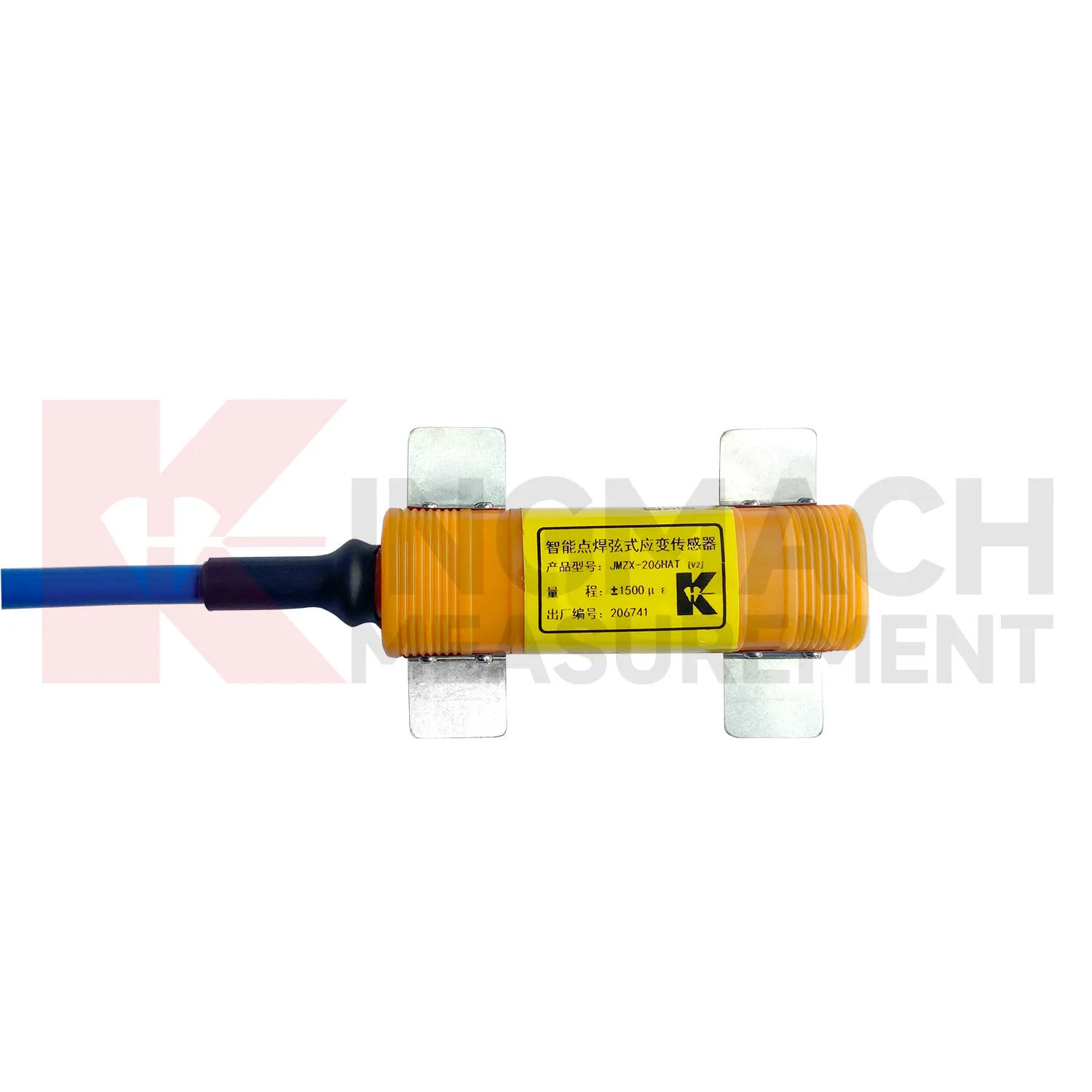
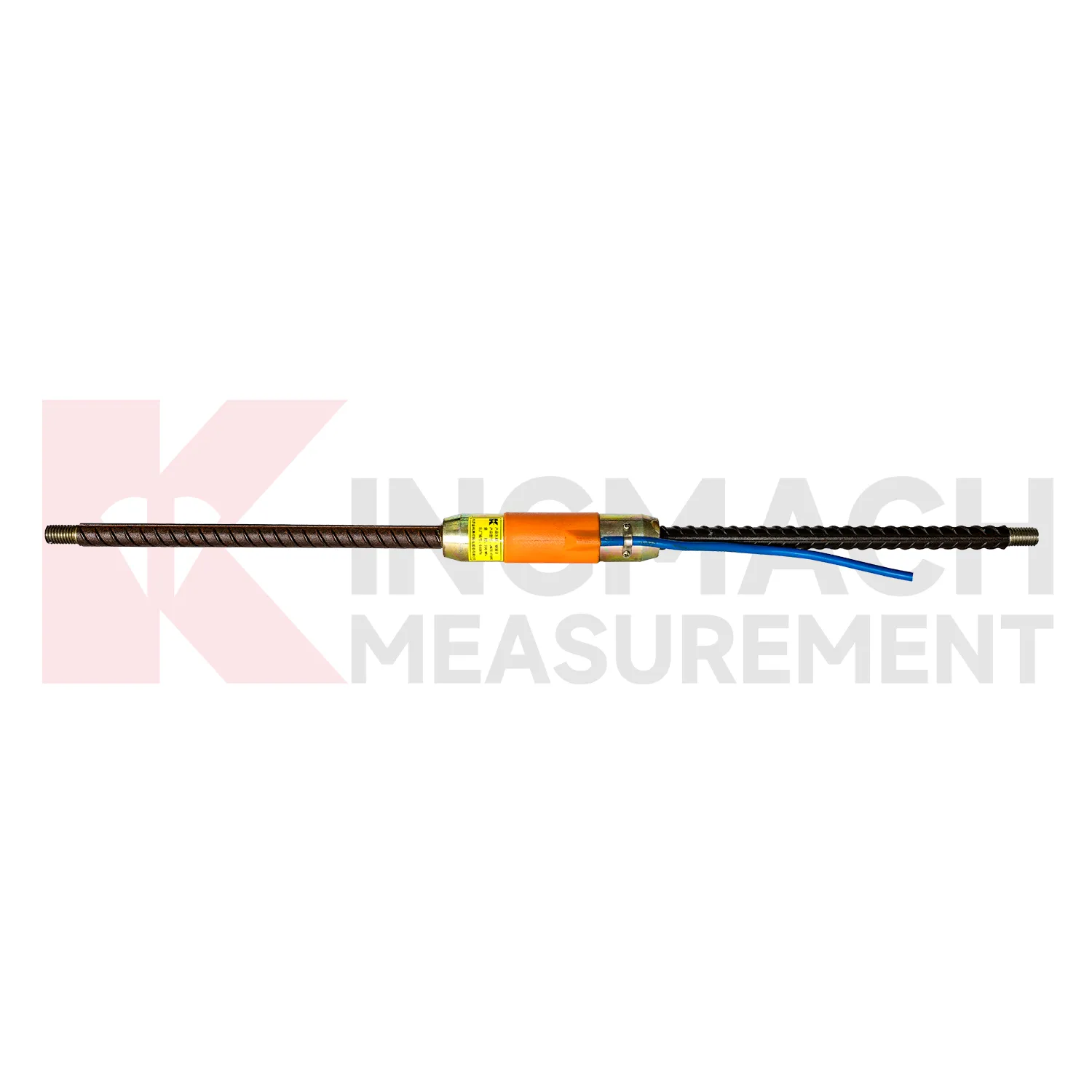
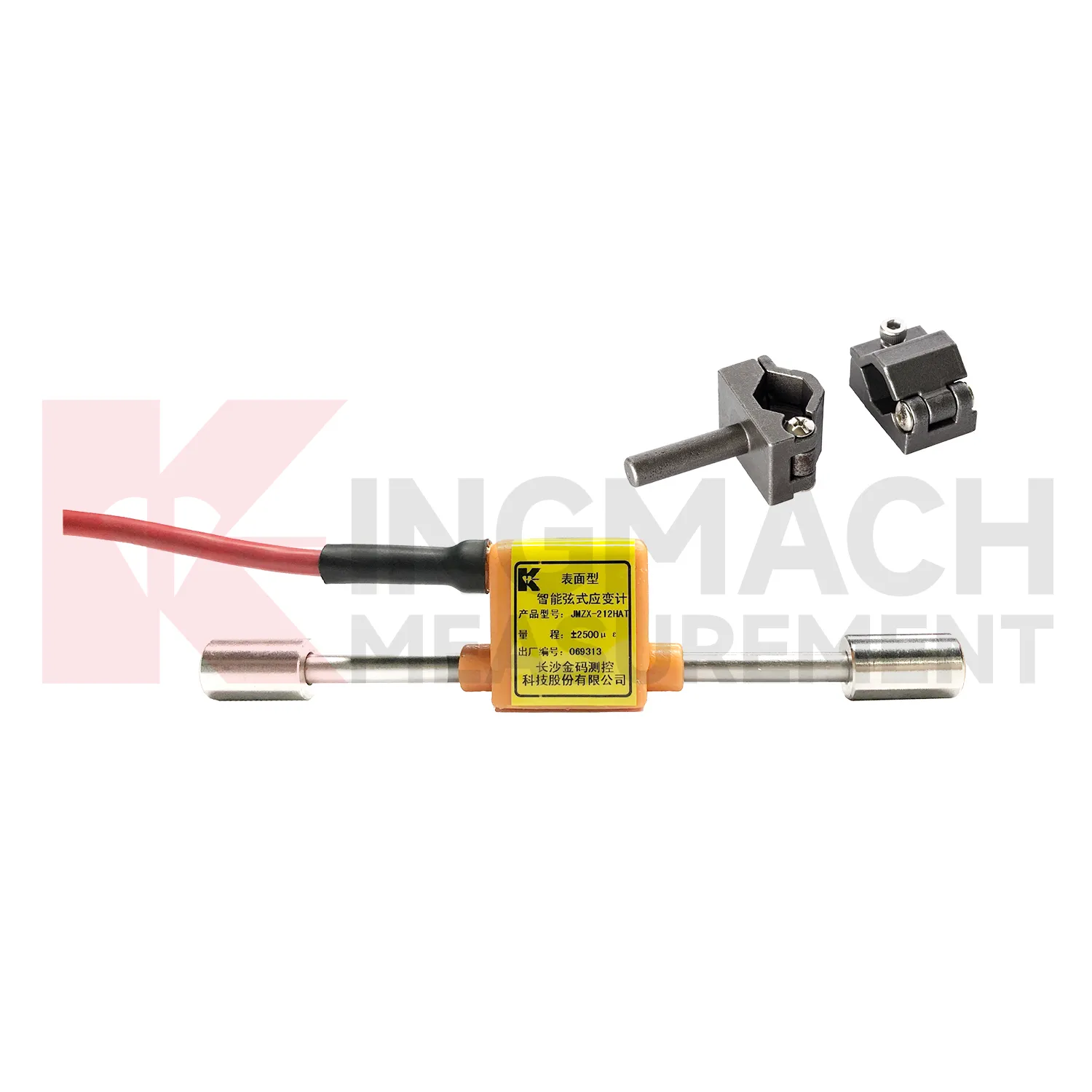
Kingmach {keyword} is suitable for projects that need strain data connected to broader structural health monitoring. The company has operated since 2001 and provides sensors, automated monitoring systems, and smart monitoring platforms for bridges, dams, tunnels, slopes, wind turbines, subways, and buildings. In the strain gauge line, the surface model offers ±2500 microstrain range and 150 meter waterproof performance, the embedded model is tied to rebar before pouring and supports internal concrete strain measurement, and the welded model provides digital detection with storage for up to 800 records. These are not decorative specifications; they answer common project questions about access, durability, traceability, and long distance signal handling. For an engineering buyer, that combination is often more important than a short product label. For Kingmach, the brand information and product specifications work together. The company supplies sensors, acquisition units, and monitoring platforms, so the strain gauge can be specified as part of a complete measurement workflow rather than a loose component. A clear specification record reduces confusion when the same project uses surface, embedded, welded, and rebar based instruments together. That is why model data, calibration values, and channel labels should travel with the product from procurement to commissioning. For field teams, those details also shape installation tools, spare cable length, readout selection, and protection work.
Application of strain gauge
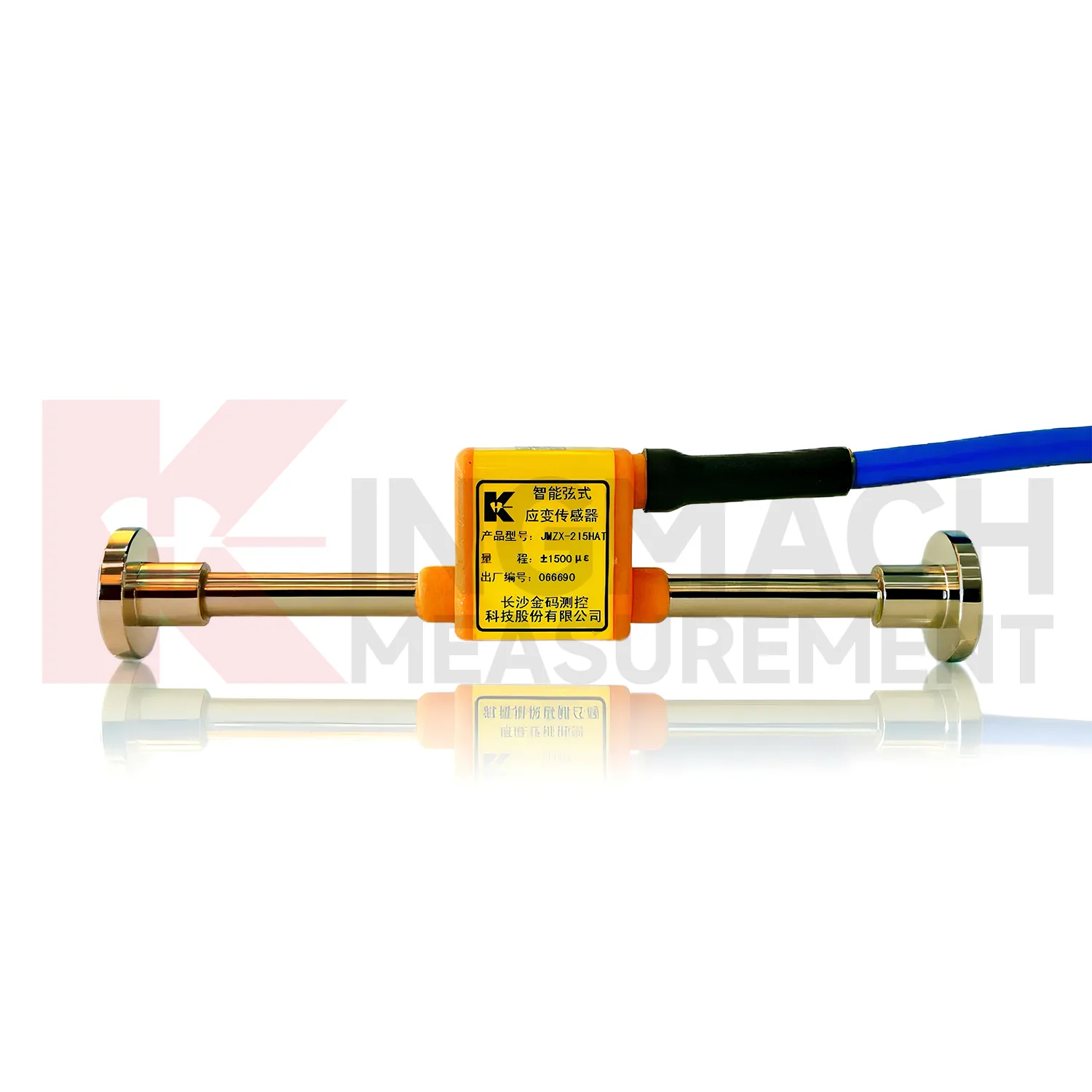
In industrial equipment and load testing, {keyword} can be used on presses, cranes, conveyor frames, lifting fixtures, test beams, calibrated force elements, and strain gauge load cell assemblies. The pain point is uneven force distribution, overload, fatigue, or misalignment that may not be visible during operation. Kingmach surface gauges offer 0.5%F.S. strain accuracy and 0.1 microstrain resolution, while the welded model's low height design helps reduce bending deformation errors on steel members. For force related monitoring, strain readings can support load calculation when the mechanical element and calibration method are properly designed. Data can be read through comprehensive readouts or automated acquisition modules, giving maintenance teams a usable record during factory testing, equipment commissioning, or repeated service checks. For procurement teams, the equipment package behind the sensor should be clear: the gauge, cable, readout, acquisition unit, communication device, platform access, and maintenance record. For field use, the strain point should be named, mapped, protected, and reviewed with nearby sensors before any alarm is judged. The same record can support staged construction control, post event inspection, and long term maintenance planning. When data is collected automatically, engineers can compare daily movement instead of relying on occasional manual readings.
The future of strain gauge
In building and underground projects, {keyword} will become more closely tied to construction stage control. Excavation, concrete pouring, temporary support removal, and equipment installation all change strain behavior. Kingmach embedded gauges, rebar strainmeters, and welded gauges can feed readings into automated systems during each stage. Future platforms may connect those readings with BIM models or digital twin views, so engineers can see which member, brace, lining, or reinforcement cage is changing. This is where AI warning analysis can help, provided it uses site events and nearby sensor data rather than a blind alarm threshold. The product direction is clear: more context, better records, and faster field decisions. Digital twin adoption will also increase demand for strain readings that are tied to exact structural locations, not vague channel names or disconnected spreadsheets. The strongest gains will come from cleaner records and faster fault checks. Those improvements fit long term infrastructure monitoring better than one time testing.
Care & Maintenance of strain gauge
For welded {keyword}, installation quality controls later maintenance effort. The JMZX-206HAT model uses spot welding on a polished 10 x 80 mm flat surface, and the low height design helps reduce strain errors caused by bending deformation. Before installation, remove rust, coating, oil, and uneven surface marks from the welding area. After welding, protect the sensor and cable from impact, grinding, repainting, and heat during nearby work. During operation, inspect the welded area for corrosion, loosened protection, cable strain, and damage after repair activities. The model's -1500 to +2500 microstrain range and 0.1 microstrain resolution can provide useful data only when the welded connection remains stable. For long term contracts, owners should define who reviews baseline drift, who approves recalibration, and who records construction events that may explain unusual strain movement. Replace damaged protection before water reaches the connection. Compare suspicious readings with nearby channels before repair decisions. Keep these checks in the project log.
Kingmach strain gauge
{keyword} is used when a structure needs measured strain data instead of a visual guess. On steel, concrete, reinforcement, or a calibrated force element, it follows tiny deformation and turns that movement into a reading that engineers can compare over time. Kingmach applies this measurement approach in bridges, tunnels, dams, railways, buildings, slopes, and wind towers, where strain changes often appear before visible damage. The product family can cover surface mounted sensors, embedded vibrating wire gauges, weldable steel structure models, and rebar strainmeters. In day to day monitoring, the value is practical: engineers can see whether load transfer is normal, whether stress is concentrating near a joint, and whether long term service is changing the baseline. For project teams, the data path is as important as the sensor point: location records, cable protection, and baseline readings help later inspections stay tied to actual site behavior.
FAQ
Q: What is the difference between surface and embedded {keyword}?
A: Surface models read strain on accessible concrete or steel surfaces, while embedded models are tied to rebar or brackets before concrete is poured.
Q: What is the difference between welded gauges and bonded gauges?
A: Welded gauges are fixed to prepared steel by spot welding, which can be more suitable for long term steel structure monitoring in some field conditions.
Q: Why use a vibrating wire design?
A: Vibrating wire signals can transmit over long distances with strong anti interference performance, which suits civil infrastructure monitoring.
Q: What does 0.1 microstrain resolution mean?
A: It means the instrument can distinguish very small strain changes, provided installation, cabling, acquisition, and environmental correction are handled correctly.
Q: Can it be used with digital platforms?
A: Yes. Strain readings can be sent through acquisition hardware to monitoring platforms for trend review, alarms, and comparison with other sensor data.
Reviews
Robert Taylor
The weir flow meter is well-built and delivers accurate measurements. Great value for water management applications.
Joshua Clark
We ordered a full monitoring solution including sensors and data loggers. Everything works seamlessly together. Great supplier!
Latest Inquiries
To protect the privacy of our buyers, only public service email domains like Gmail, Yahoo, and MSN will be displayed. Additionally, only a limited portion of the inquiry content will be shown.
Charlotte***@gmail.comUnited Arab Emirates
Hi, we require instrumentation cables suitable for harsh environments. Could you advise on specifica...
Mia***@gmail.comNetherlands
Dear team, we are interested in your readouts & data loggers compatible with multiple sensors. Do yo...