
 EN
EN
 ar
ar bg
bg hr
hr cs
cs da
da nl
nl fi
fi fr
fr de
de el
el hi
hi it
it ko
ko no
no pl
pl pt
pt ro
ro ru
ru es
es sv
sv tl
tl iw
iw id
id lv
lv lt
lt sr
sr sk
sk sl
sl uk
uk vi
vi et
et hu
hu th
th tr
tr fa
fa ms
ms hy
hy ka
ka ur
ur bn
bn mn
mn ta
ta kk
kk uz
uz ku
ku
strain gauge measurement
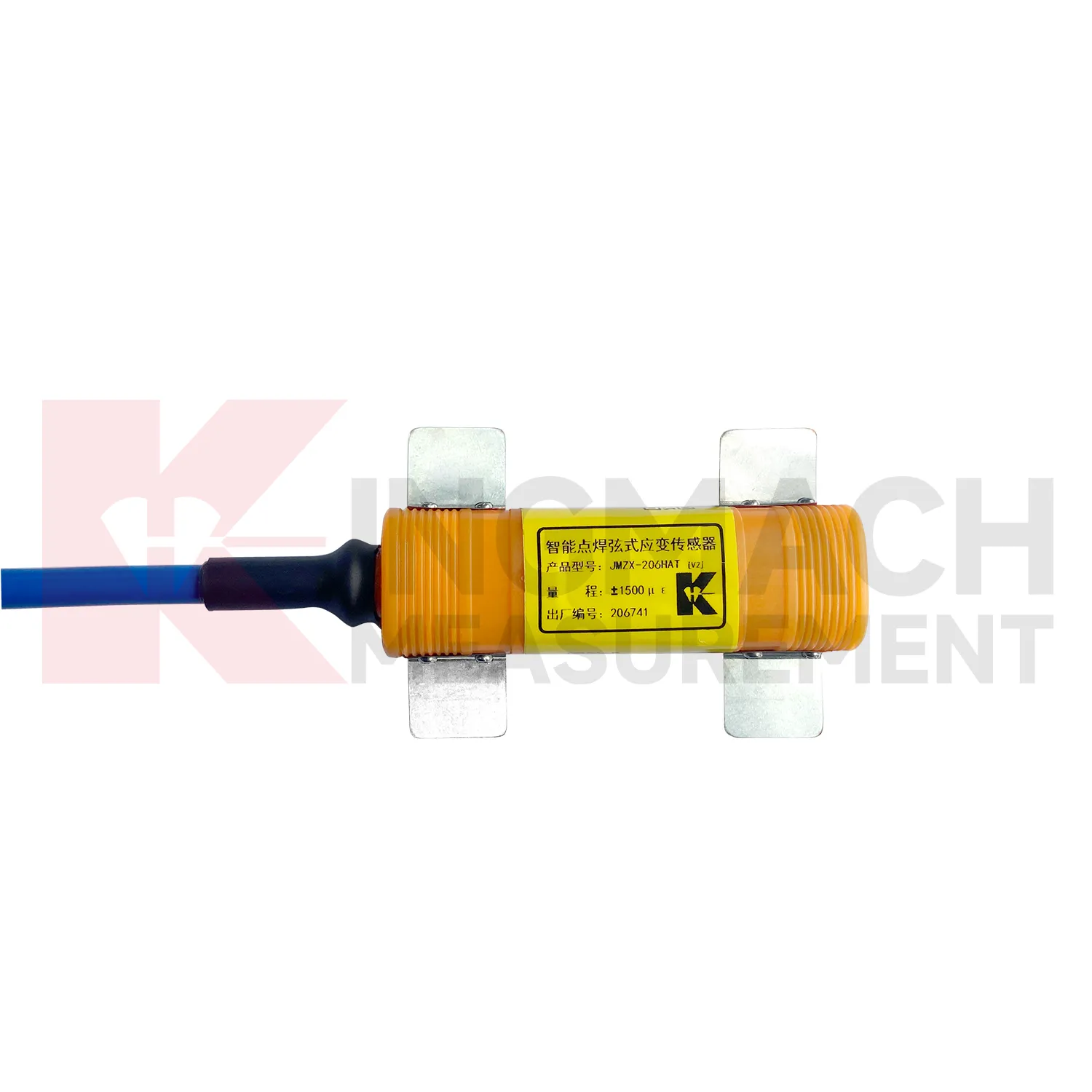
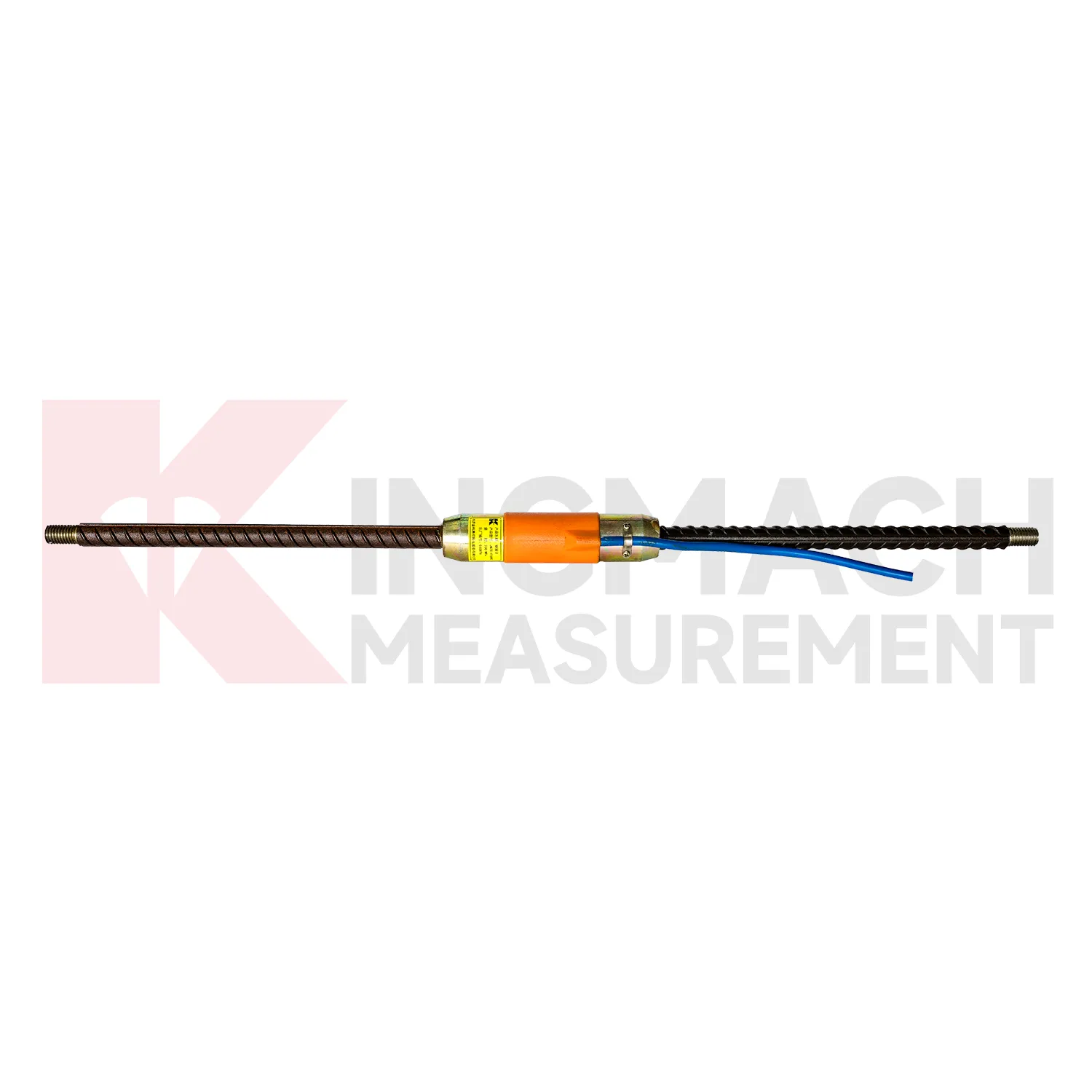
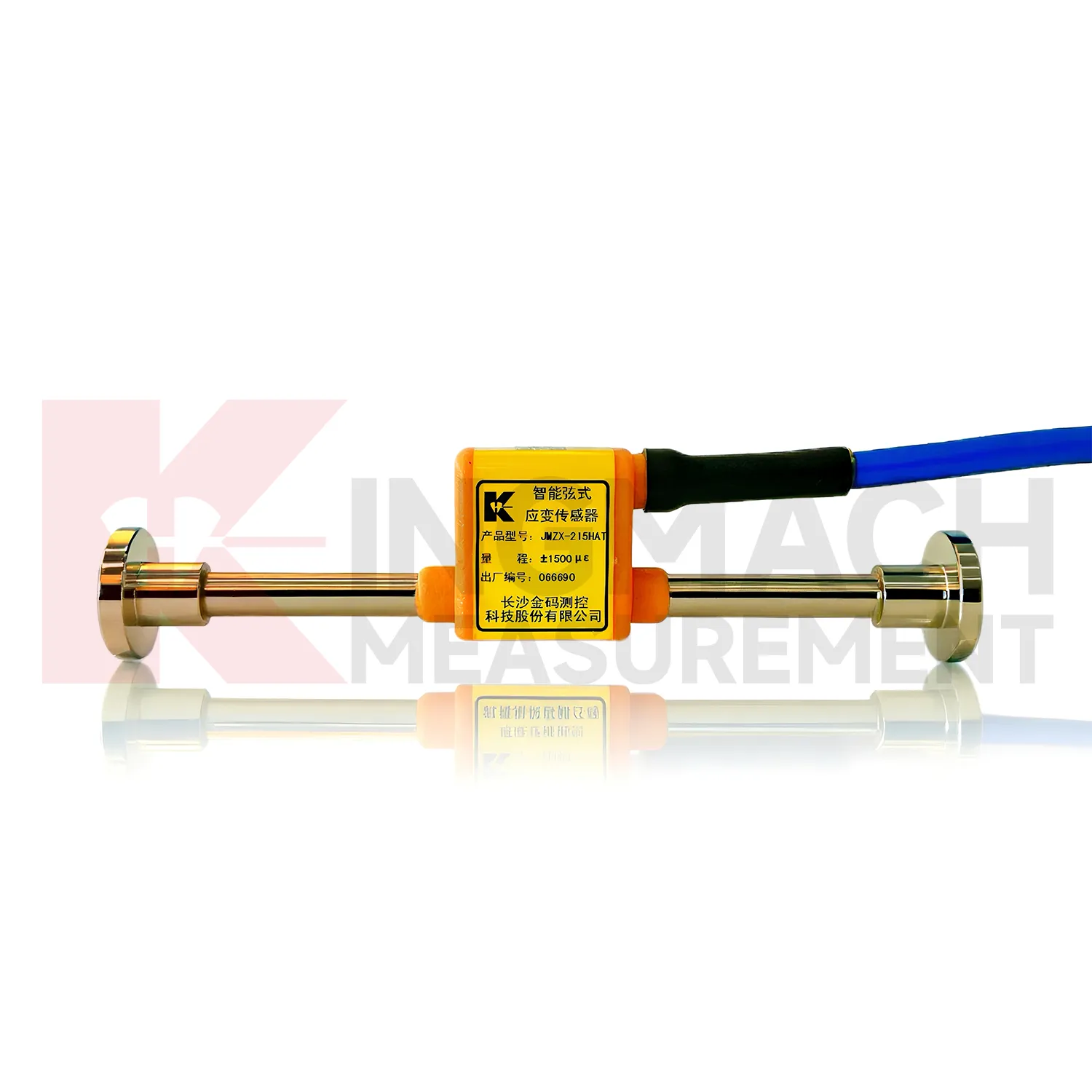
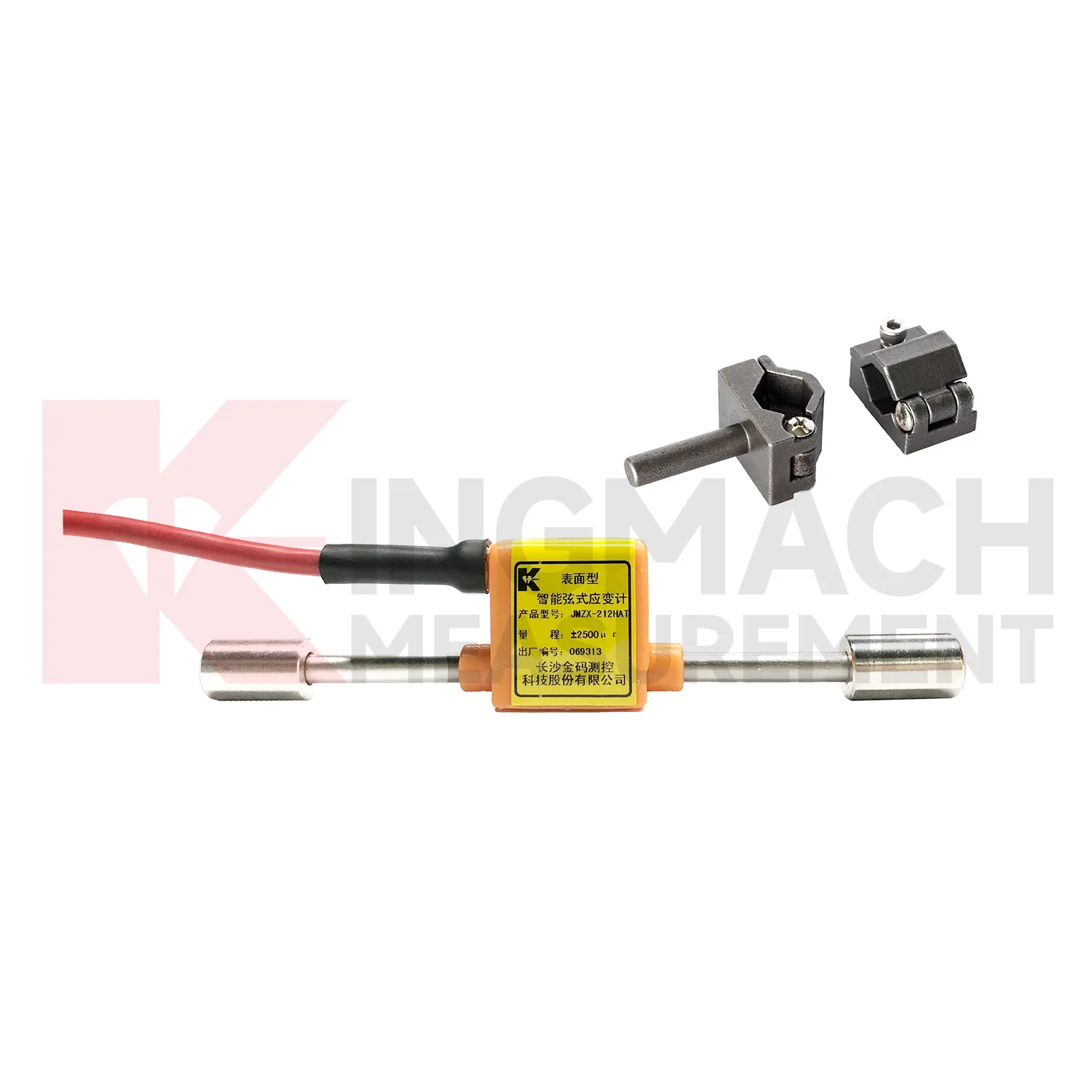
Kingmach {keyword} is built around vibrating wire measurement, a method widely used in long term civil engineering monitoring because frequency signals can travel over distance with good resistance to interference. In the JMZX strain gauge range, pulse excitation supports fast testing and stable steel wire vibration. The surface and embedded models both use sealed stainless steel structures and waterproof designs rated to 150 meters, while temperature versions measure the monitoring point temperature for correction. The JMZX-212HAT/HB surface model has a 129 mm gauge length, and the JMZX-215HA/215HAT/HB embedded model has a 146 mm gauge length. For steel structures, the JMZX-206HAT welded model adds digital detection and onboard storage of calibration coefficients. These details make the product group useful for bridges, dams, tunnels, rail systems, foundations, and other structures where readings must stay meaningful over many operating cycles. For long term structural health monitoring, the combination of vibrating wire output, waterproof construction, temperature correction, and automated acquisition compatibility is more important than a short feature list. It affects whether the data remains usable after seasons of field exposure. That is why model data, calibration values, and channel labels should travel with the product from procurement to commissioning. For field teams, those details also shape installation tools, spare cable length, readout selection, and protection work.
Application of strain gauge measurement
In dam and hydraulic structure monitoring, {keyword} supports strain observation in concrete blocks, galleries, spillways, anchors, reinforcement, and steel components affected by water pressure and temperature cycles. The project pain points are long service life, seepage influence, thermal movement, concrete creep, and limited access after construction. Kingmach embedded gauges can be placed before concrete pouring and provide ±1500 microstrain range, 0.5%F.S. precision, and waterproof durability up to 150 meters. Surface gauges also include temperature measurement versions, with -40℃ to +120℃ thermometer range and ±0.5℃ accuracy. In dam safety monitoring, strain readings can be reviewed with water level, seepage, displacement, and temperature data. This helps owners identify whether structural stress is following normal seasonal behavior or moving toward a risk condition. For general product use, the same equipment can serve several structures when the range, waterproof rating, and installation method match the monitoring point. For field use, the strain point should be named, mapped, protected, and reviewed with nearby sensors before any alarm is judged. The same record can support staged construction control, post event inspection, and long term maintenance planning.
The future of strain gauge measurement
Standards and owner requirements are pushing {keyword} toward more traceable monitoring records. Kingmach strain gauge products reference standards such as GB/T 13606-2007, GBT 3408.2-2008, DL/T 1044-2022, SL 363-2006, and DL/T 1136-2022 across related models. As structural health monitoring specifications become more data driven, buyers will care more about calibration records, sensor identity, installation photos, channel naming, and long term data export. Digital twins will also need measured strain inputs that are consistent and time stamped. In that environment, the sensor is no longer just a component on a structure. It becomes a documented data source within a larger asset management record. As standards ask for more traceable structural monitoring, calibration data, model numbers, channel maps, and installation records will become part of the product value, not paperwork afterthoughts. It also makes sensor data easier to use in owner reports and maintenance meetings. The strongest gains will come from cleaner records and faster fault checks.
Care & Maintenance of strain gauge measurement
Preventive maintenance for {keyword} should be scheduled around site risk. Bridges may need checks after heavy traffic incidents, storms, or repair welding. Tunnels and foundation pits may need checks after excavation stages, water inflow, or support changes. Dams may need review during reservoir level changes. Kingmach strain products provide parameters such as 0.5%F.S. accuracy, 0.1 microstrain resolution, waterproof structures, and temperature correction, but those strengths only help when the monitoring point stays protected. Keep a simple maintenance routine: inspect seals and cables, compare baseline trends, verify logger settings, record site events, and flag suspicious channels for engineering review. That routine is plain work, but it prevents expensive confusion later. This keeps maintenance practical for contractors and owners who need reliable records without turning every strain change into an emergency. Review the channel after major site work. Replace damaged protection before water reaches the connection. Compare suspicious readings with nearby channels before repair decisions.
Kingmach strain gauge measurement
On a real site, {keyword} is usually one part of a wider monitoring network. The sensor reads strain at a selected point, while readouts, data loggers, acquisition modules, cables, and software carry the data into a review process. Kingmach's catalog follows that field logic by pairing strain gauges with comprehensive readouts, automated acquisition systems, instrumentation cables, and monitoring platforms. This matters because poor signal handling can waste a good sensor. A stable strain reading helps engineers judge whether steel beams, concrete members, support braces, piles, or anchors are working within expected limits. It also gives owners a record they can compare against temperature, displacement, settlement, vibration, and construction events. In a Kingmach project, the sensor reading is normally reviewed with site records, not treated as an isolated number, which keeps the data useful during construction and operation. It also gives engineers a cleaner baseline for later comparison. The same data can guide inspection notes and repair timing.
FAQ
Q: What is {keyword} used for?
A: It measures strain, reinforcement stress, or force related deformation in structures such as bridges, tunnels, dams, buildings, slopes, rail systems, wind towers, and industrial frames.
Q: Which Kingmach models are related to this product group?
A: Common models include JMZX-212HAT/HB surface gauges, JMZX-215HA/215HAT/HB embedded gauges, JMZX-206HAT welded gauges, and JMZX-4XXHAT/HB rebar strainmeters.
Q: Can it support long term monitoring?
A: Yes. Kingmach vibrating wire models are designed for long term observation and can work with readouts, automated acquisition systems, and monitoring platforms.
Q: What accuracy is available?
A: Several Kingmach strain gauge models list 0.5%F.S. accuracy, with 0.1 microstrain resolution on surface, embedded, and welded strain gauge models.
Q: Is it suitable for wet sites?
A: Yes, selected models use sealed stainless steel structures with waterproof performance up to 150 meters, while rebar strainmeters list 2 MPa waterproof performance.
Reviews
Andrew Lee
The visualization software is intuitive and powerful. It helps us analyze monitoring data efficiently.
Joshua Clark
We ordered a full monitoring solution including sensors and data loggers. Everything works seamlessly together. Great supplier!
Latest Inquiries
To protect the privacy of our buyers, only public service email domains like Gmail, Yahoo, and MSN will be displayed. Additionally, only a limited portion of the inquiry content will be shown.
Ava***@gmail.comAustralia
Hi, I am looking for reliable tiltmeters and accelerometers for structural health monitoring. Please...
Sophia***@gmail.comUnited Kingdom
Good day, we need environmental monitoring sensors including temperature, humidity, and wind sensors...
Related product categories
- strain gauge wheatstone bridge
- strain gauge data logger
- half bridge strain gauge
- sensor strain gauge
- strain gauge signal conditioner
- digital strain gauge indicators
- strain gauge data acquisition
- strain gauge data acquisition system
- strain gauge daq
- strain gauge meter
- strain gauge reader
- strain gauge full bridge force sensors