
 EN
EN
 ar
ar bg
bg hr
hr cs
cs da
da nl
nl fi
fi fr
fr de
de el
el hi
hi it
it ko
ko no
no pl
pl pt
pt ro
ro ru
ru es
es sv
sv tl
tl iw
iw id
id lv
lv lt
lt sr
sr sk
sk sl
sl uk
uk vi
vi et
et hu
hu th
th tr
tr fa
fa ms
ms hy
hy ka
ka ur
ur bn
bn mn
mn ta
ta kk
kk uz
uz ku
ku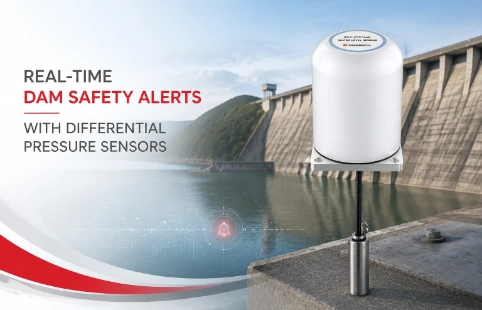
Real-Time Dam Safety Alerts with Differential Pressure Water Level Sensors
Key Takeaways An alert chain needs more than a sensor: define field in...

A Practical Look at Modular Acquisition in Geotechnical Monitoring
On a slope stabilization project near a highway, the monitoring requirements changed three times in two months. First, we needed only pore pressure readings. Then the client added crack meters. Later, tilt sensors became necessary. A fixed-channel data logger would have meant swapping hardware each time. Instead, the team used a modular acquisition setup from Kingmach. They simply plugged in new measurement cards as the sensor list grew. This sort of flexibility is why modular acquisition has gained ground in geotechnical instrumentation. Instead of buying one logger per sensor type or paying for unused channels, engineers can build a system that matches the job right now and change it later. Kingmach, a manufacturer focused on measurement and monitoring, offers a range of components that let you assemble what you need without locking into a rigid architecture.
Technical Detail
Kingmach designs its modular acquisition architecture around the reality that no two sites are alike. You pick the base unit, then add channel cards for vibrating wire, analog, or digital sensors. This approach keeps initial costs down because you don’t pay for functionality you won’t use. One project in tunnel monitoring started with 12 channels of vibrating wire strain gauges. Midway through, the team needed to integrate four RS-485 inclinometer chains. They added a serial card to the same mainframe without disturbing the existing wiring. The system recognized the new card after a simple configuration step. Power management also adapts. Modules can operate from solar panels or DC sources, and low-power modes stretch battery life for months in remote installations. Data retrieval follows the same modular logic. You can pull readings locally via USB, or add a cellular module for cloud access. Kingmach’s global distribution network means replacement cards and technical support are available across regions. For project owners, the main benefit is future-proofing. If monitoring scopes expand, the system expands with them. No rip-and-replace. That matters when monitoring programs run for years and sensors get added in phases.
News
Key Takeaways An alert chain needs more than a sensor: define field in...
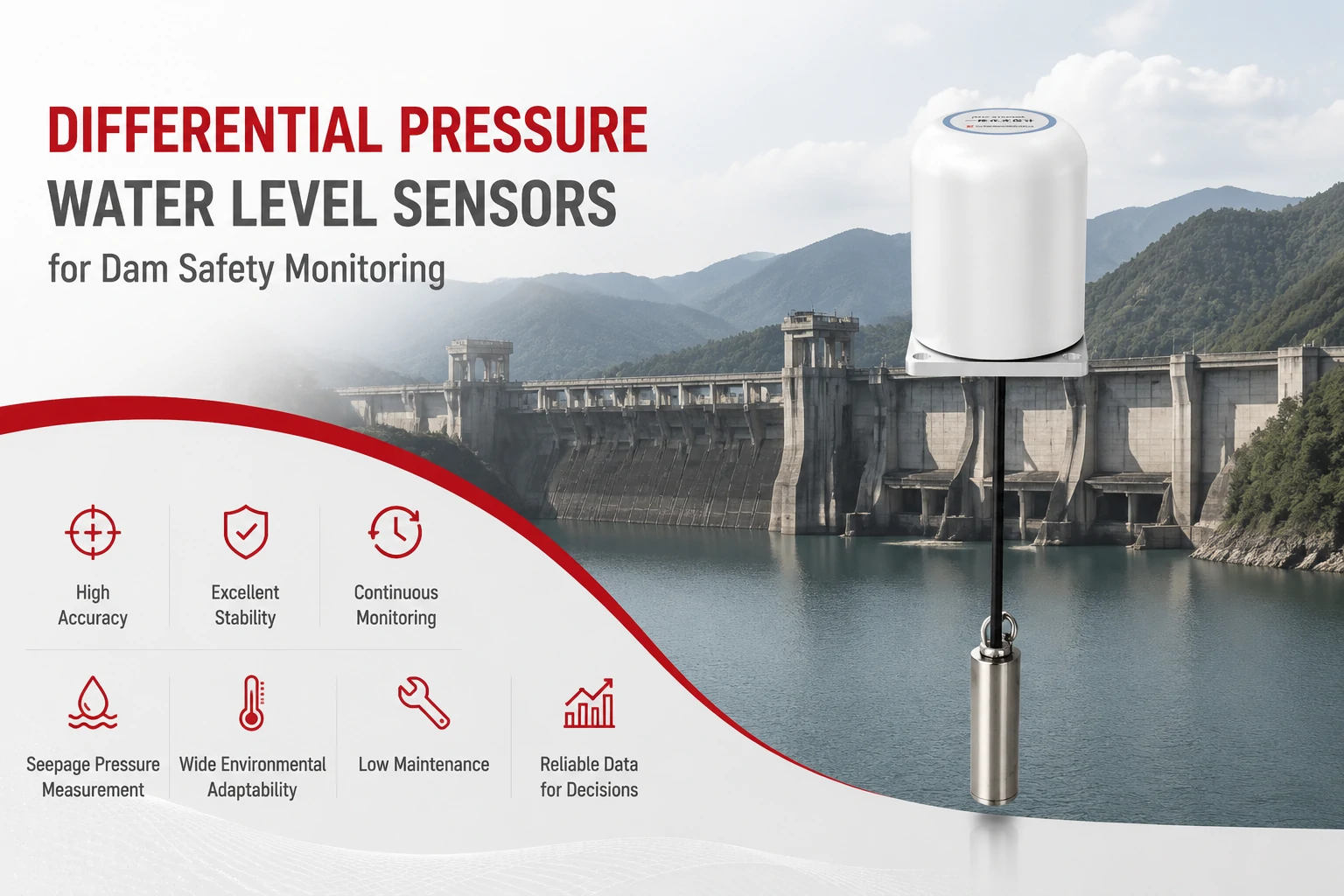
Key Takeaways The strongest fit is usually a confined, submerged, or s...
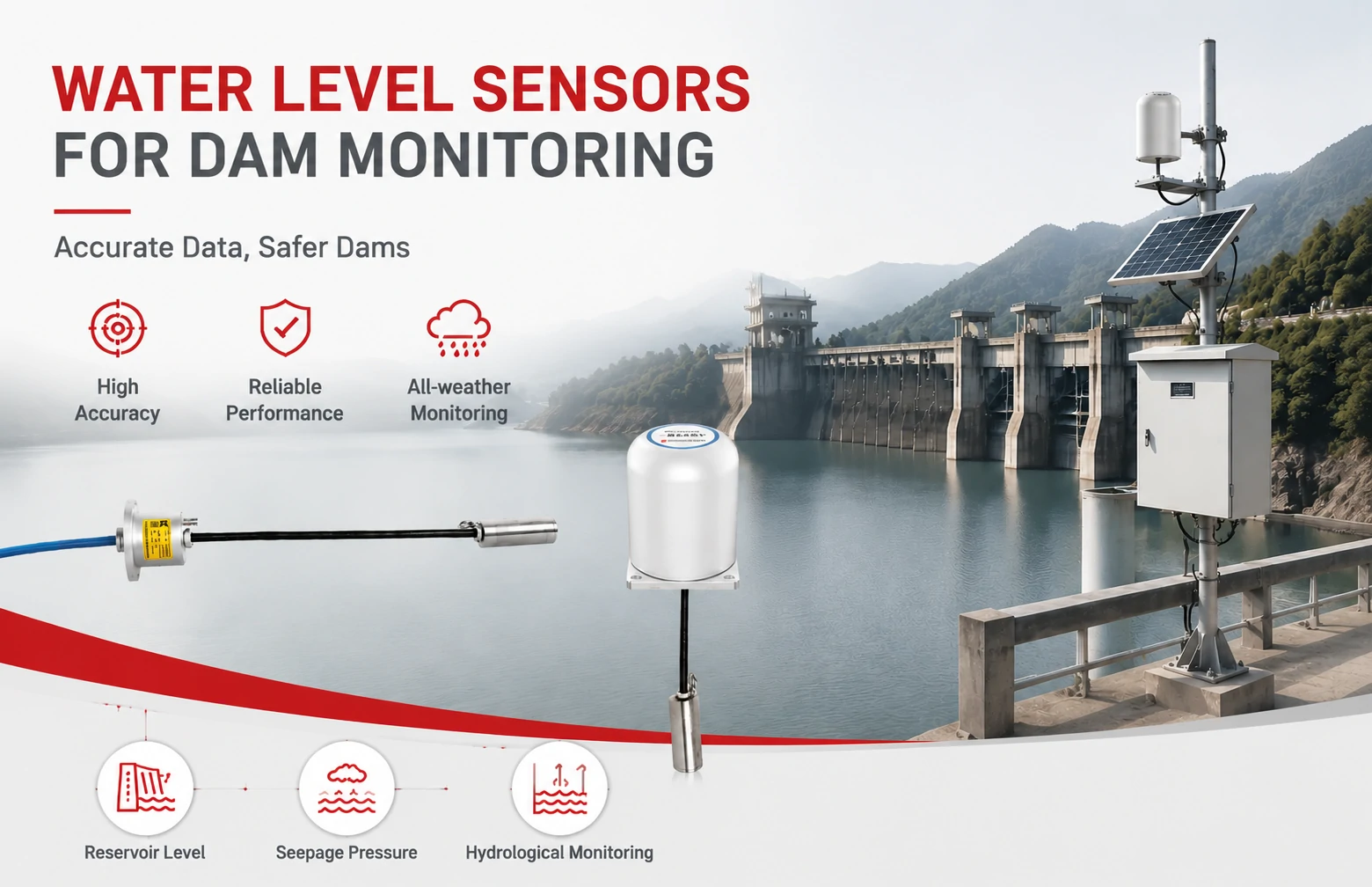
Kingmach Water Level Sensors for Dam Monitoring: A Buyer's Guide to Differential Pre...
Products
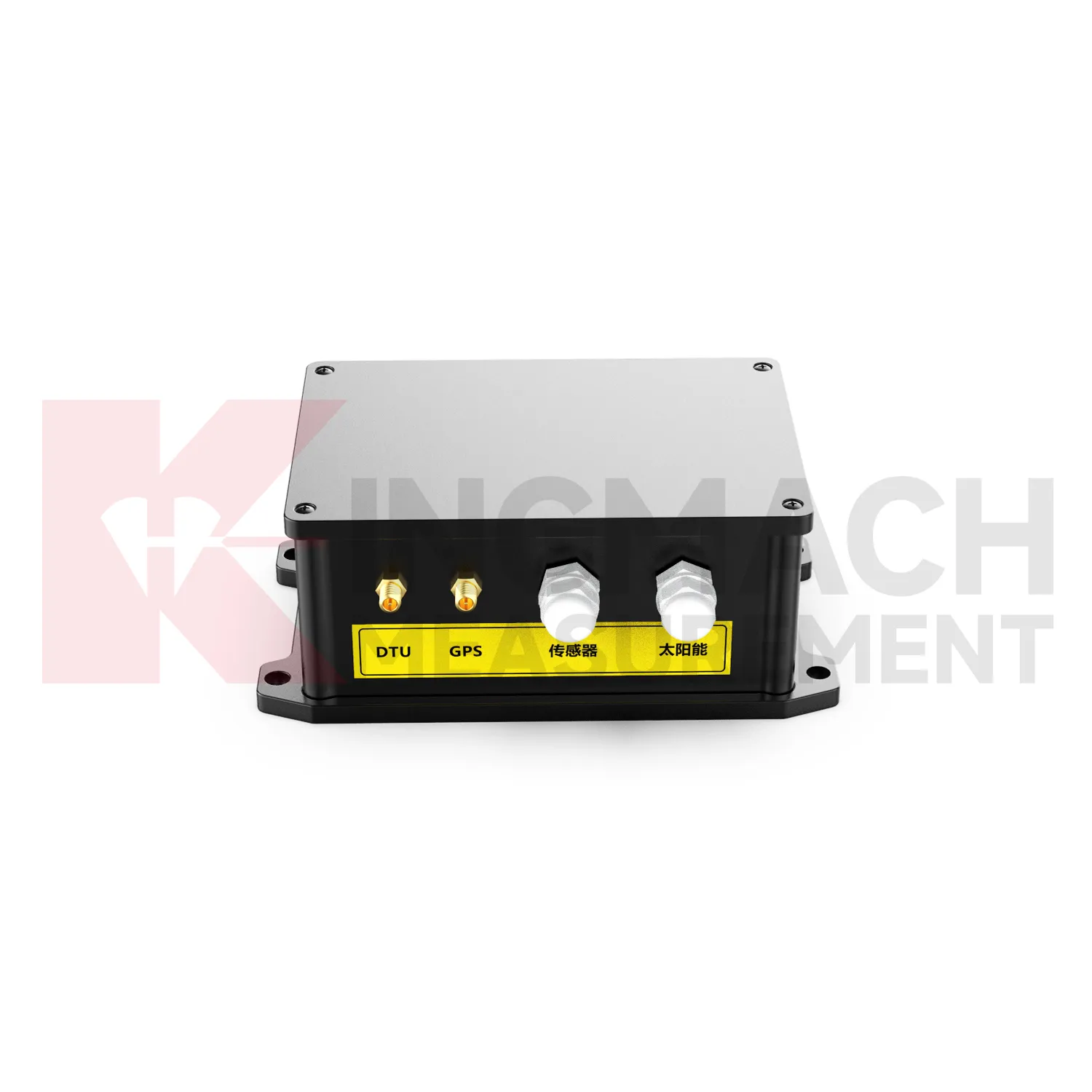
Wireless Data Logger (low power consumption design) JMWX-5RTU
View Details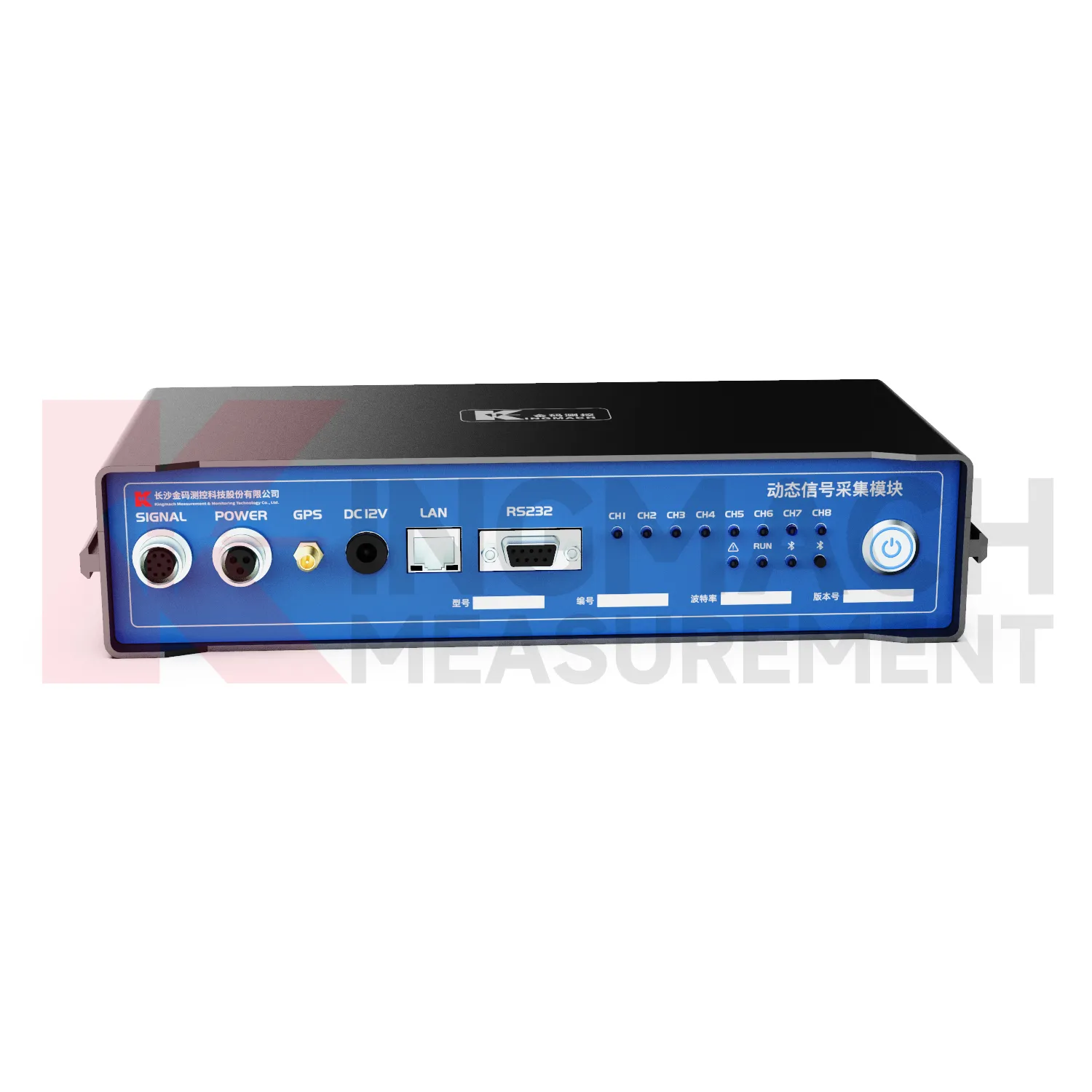
Dynamic signal acquisition module JMYD-1008XC
View Details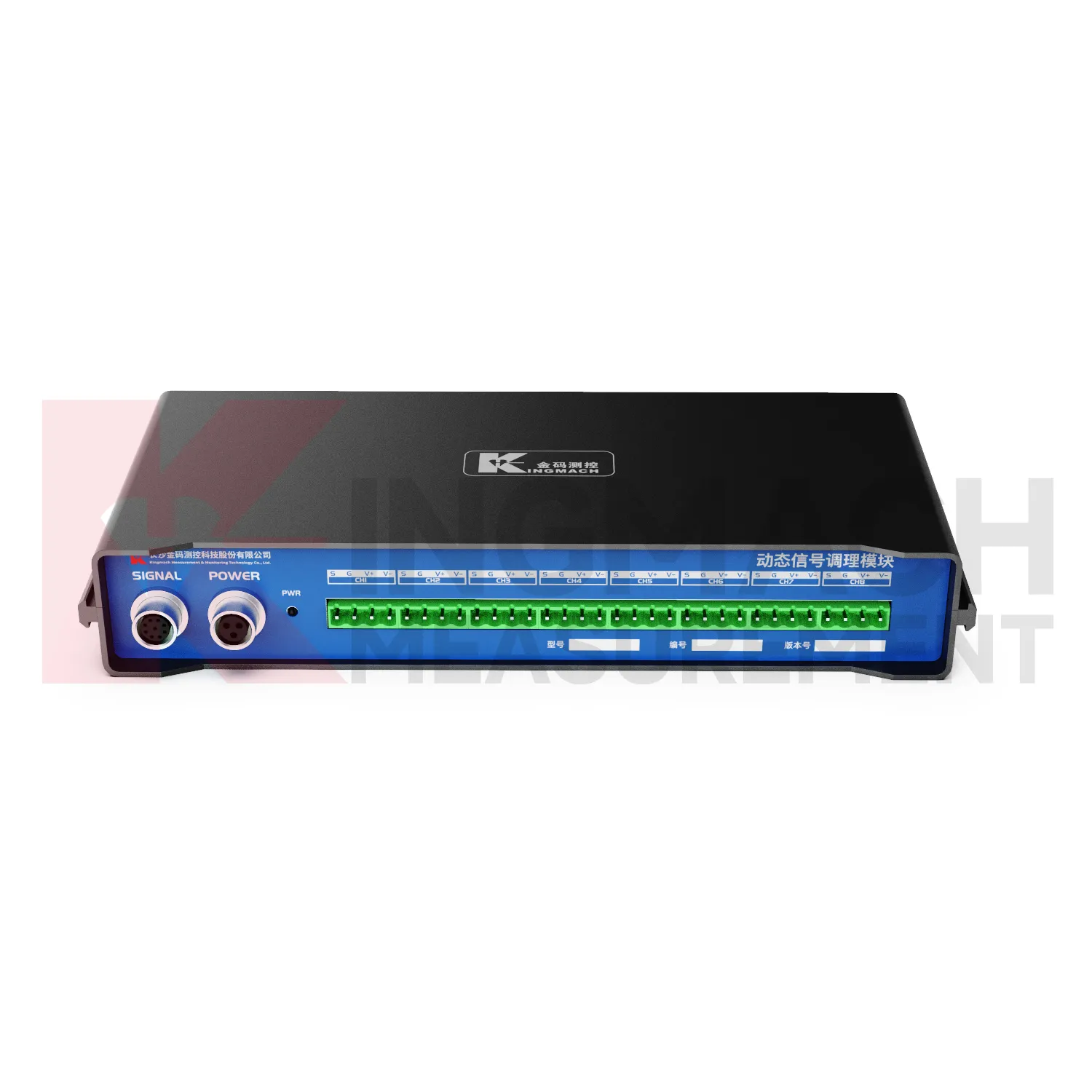
Dynamic signal conditioning moduleJMYD-2008XTA
View DetailsFAQ
It’s a data collection system where the measurement channels are not fixed inside a single box. You start with a main unit that manages power, communication, and storage. Then you plug in separate cards for each sensor type you need—vibrating wire, analog voltage, digital RS-485, and so on. If you add sensors later, you just add the matching card instead of buying a whole new logger.
In a typical setup, the mainframe has slots for different cards. You might install a vibrating wire card for piezometers and strain gauges, and a separate analog card for load cells. The system scans each card on its own schedule. Some cards sample every minute, others every hour. You configure that per card, so you don’t drain power scanning everything at the fastest rate.
Usually, no. The architectures are different. Fixed systems have hardwired signal conditioning for specific sensors. Moving to modular means replacing the logger with a mainframe and buying the required cards. But if you’re planning a phased monitoring program, starting with a modular system from Kingmach saves you from having to swap out hardware later. The initial investment is often lower than buying multiple standalone loggers for different sensor groups.
Kingmach provides setup guides for common sensor types and can review your wiring diagrams before you go to the field. Their support team also helps troubleshoot communication issues—things like addressing RS-485 modules or setting proper excitation voltages for analog sensors. For larger projects, they can pre-configure the mainframe and cards before shipping.
You calculate the power draw of each card in its active and sleep states. Multiply by the programmed scan intervals, then add the main unit’s consumption. Kingmach’s data sheets list these values. In remote locations, you might set certain sensor groups to wake up only during daylight to conserve battery. The modular design lets you add a power management card later if your needs change, so you’re not locked into the original power budget.
Share your product type, target capacity, and application requirements. Our team can review the details and recommend a practical next step.
If you are interested in our products or want to become our partner.
Please leave your contact information, our team will contact you as soon as possible.
Mail: [email protected]
Contact Us: +8613808434127
Address: No. 188 Tongzipo West Rd, Changsha, Hunan, China