
 EN
EN
 ar
ar bg
bg hr
hr cs
cs da
da nl
nl fi
fi fr
fr de
de el
el hi
hi it
it ko
ko no
no pl
pl pt
pt ro
ro ru
ru es
es sv
sv tl
tl iw
iw id
id lv
lv lt
lt sr
sr sk
sk sl
sl uk
uk vi
vi et
et hu
hu th
th tr
tr fa
fa ms
ms hy
hy ka
ka ur
ur bn
bn mn
mn ta
ta kk
kk uz
uz ku
ku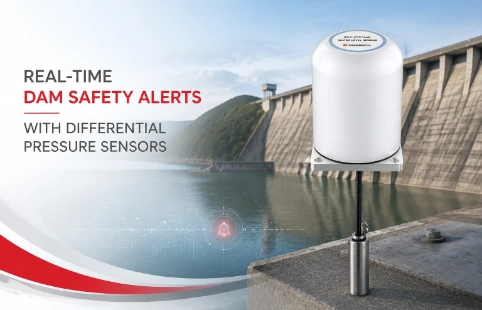
Real-Time Dam Safety Alerts with Differential Pressure Water Level Sensors
Key Takeaways An alert chain needs more than a sensor: define field in...

Strain Gauge Force Sensors That Handle Real-World Conditions
If you have ever had to measure tension in a rock bolt or monitor the load on a strut deep in an excavation, you know that not every sensor survives. Moisture, temperature swings, and physical shock quickly sort out which instruments are built for the field. A strain gauge force sensor that keeps giving clean data under those conditions is worth paying attention to. Kingmach designs these sensors specifically for geotechnical and structural monitoring, where the environment is part of the measurement challenge. Instead of off-the-shelf industrial load cells that need constant protection, our sensors are sealed, ruggedized, and often custom-fit to anchor systems, steel members, or concrete structures. This means you get readings that reflect actual forces, not drift caused by water ingress or thermal mismatch. From tunnel supports to pile testing, the sensor becomes a reliable part of your monitoring chain without requiring a hardware babysitter.
Technical Detail
Kingmach strain gauge force sensors are built around the principle that field data loses value if the sensor cannot stand up to the site conditions. These are not laboratory instruments repackaged for outdoor use; they start with welded stainless steel housings, potted electronics, and cable exits designed to be submerged or buried. Typical configurations include center-hole designs for rock bolts and tiebacks, through which a tendon passes, and low-profile compression-only cells for strut loads. Output options range from mV/V for direct connection to data loggers and 4–20 mA for longer cable runs, with some models providing digital RS-485 output. Temperature compensation is addressed at the gauge level, but we also include thermistors in many sensors so the data can be corrected for extreme thermal swings if needed. Capacities can be specified from as low as 10 kN for small anchors up to 5,000 kN for bridge bearing monitoring, and custom ranges are common. Because many projects involve concrete embedding, the sensors are often fitted with rebar extensions to ensure full load transfer. Calibration is performed in-house against traceable standards, and each sensor ships with its own calibration sheet. For large monitoring programs, we can supply multi-channel readout units and cloud-based data visualization to turn force readings into actionable insights. The combination of robust mechanical design and careful strain gauge application means these sensors are often used in dam safety monitoring, deep excavation shoring, and structural health monitoring of historic buildings, where reliability over years matters more than upfront cost.
News
Key Takeaways An alert chain needs more than a sensor: define field in...
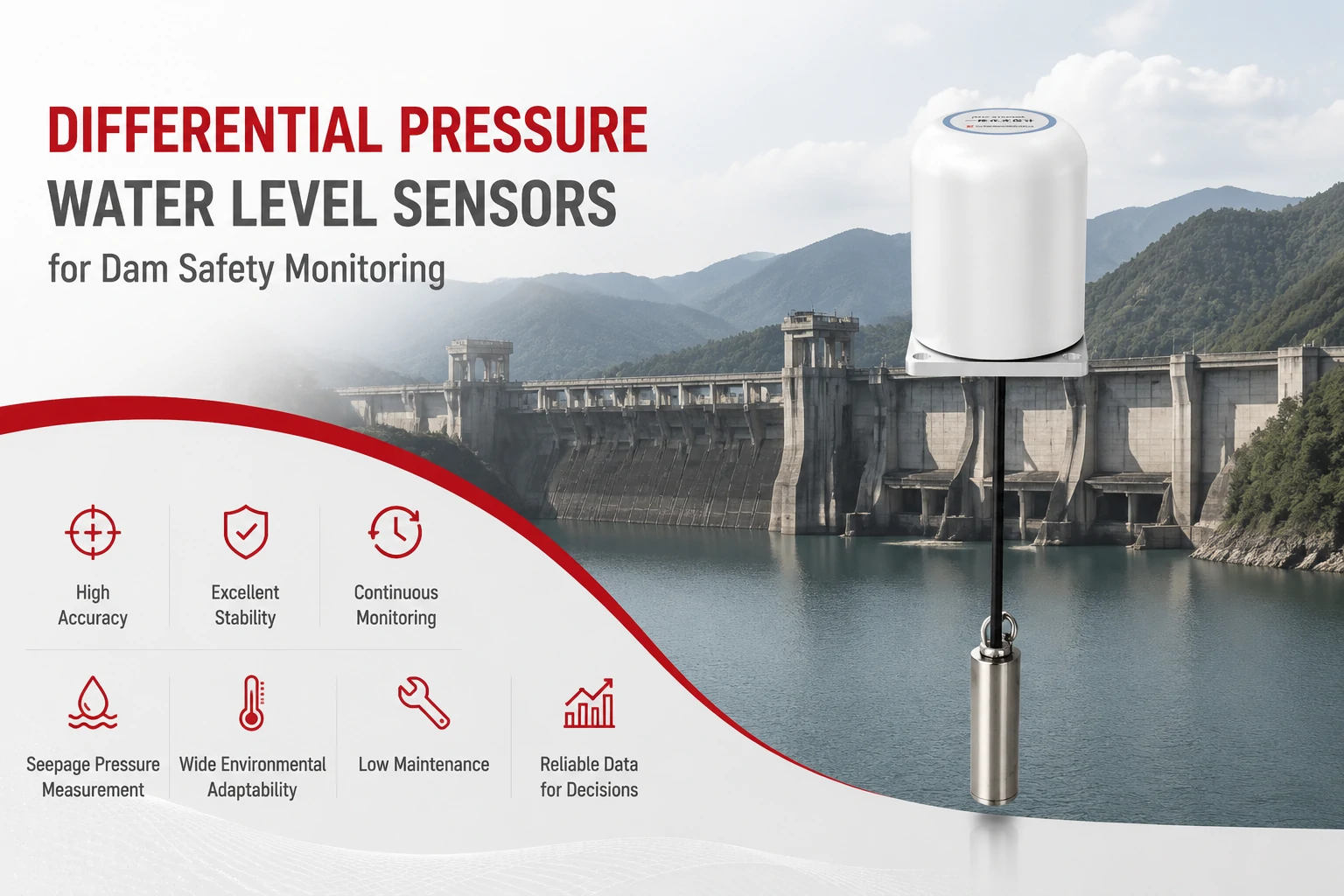
Key Takeaways The strongest fit is usually a confined, submerged, or s...
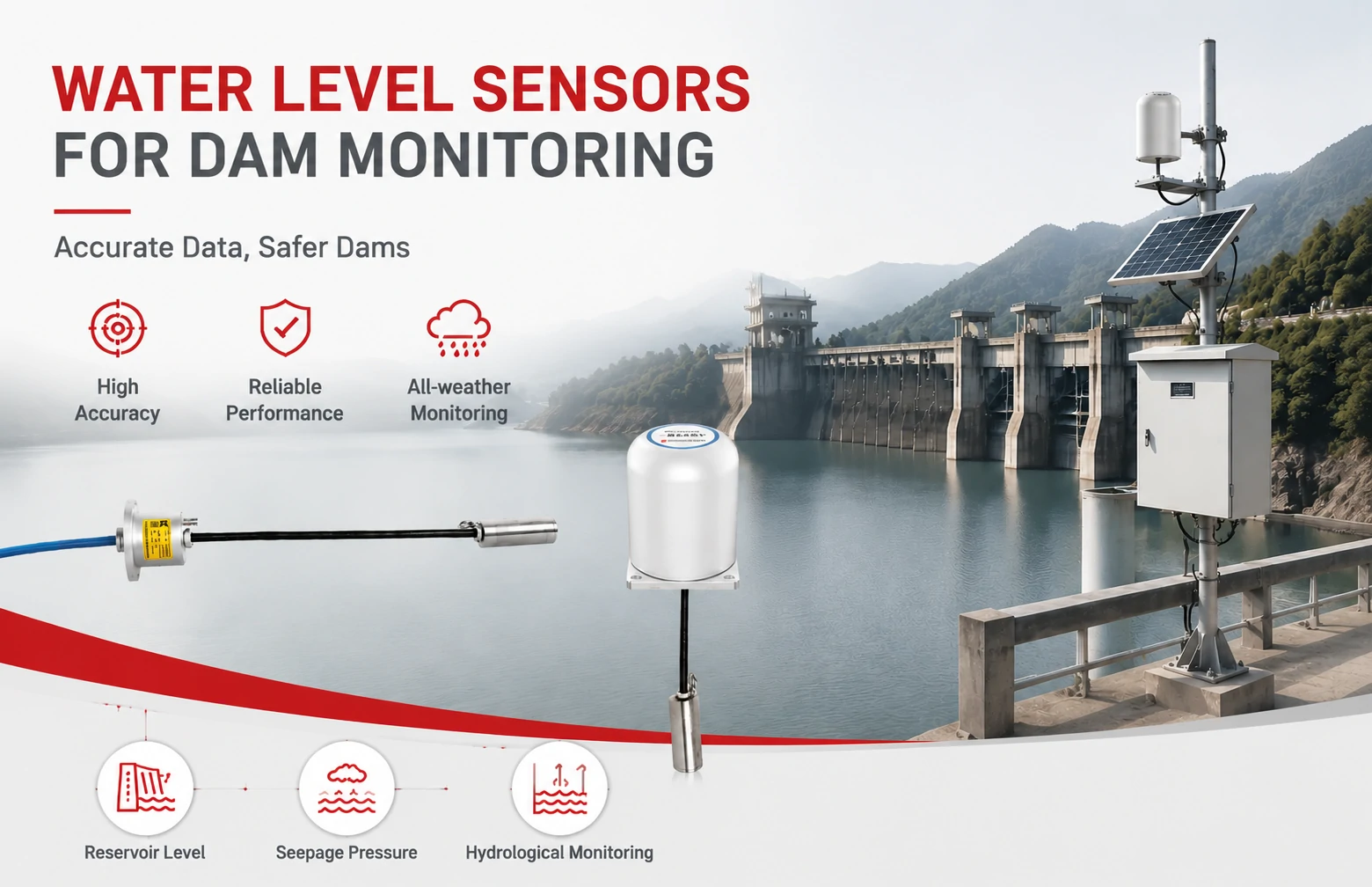
Kingmach Water Level Sensors for Dam Monitoring: A Buyer's Guide to Differential Pre...
Products
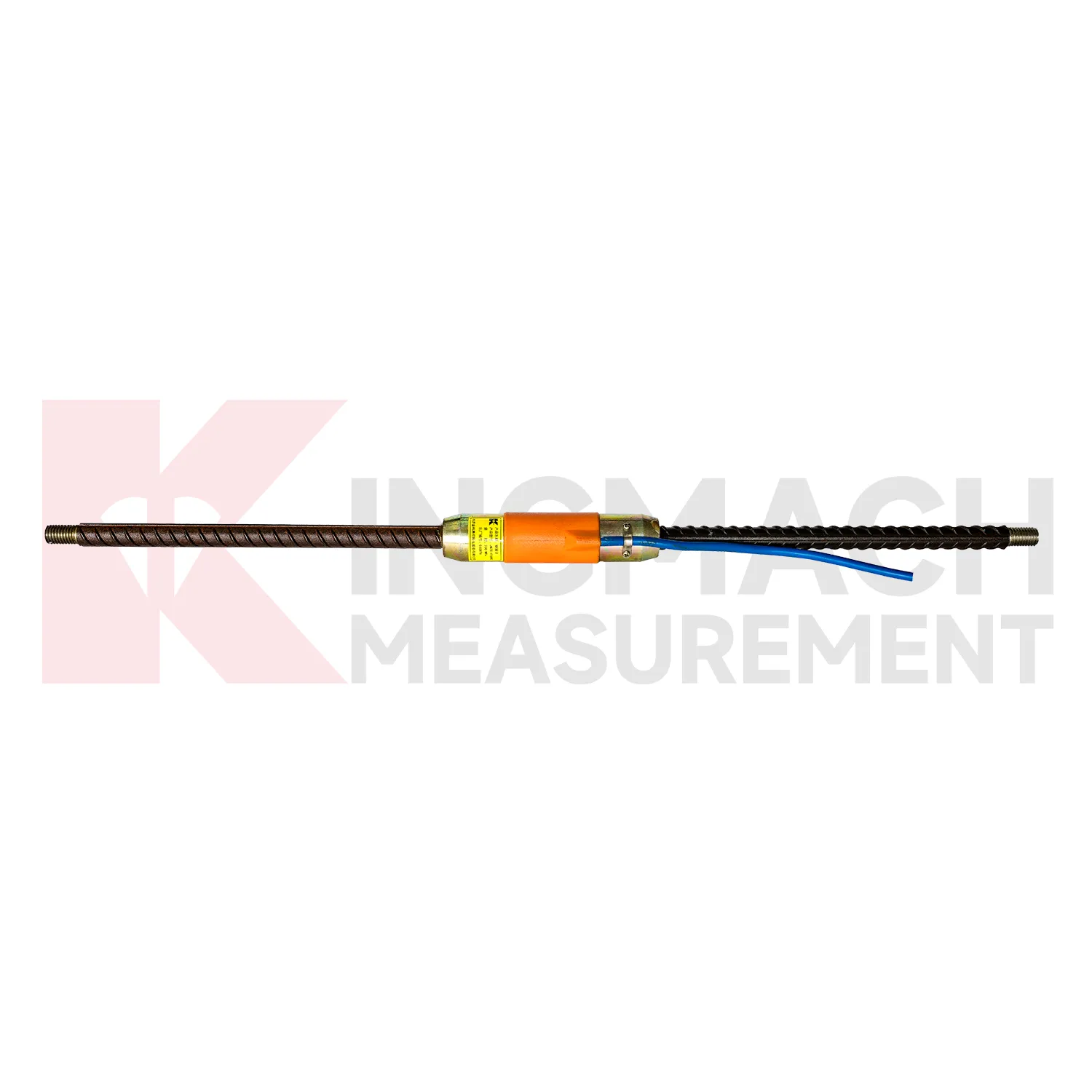
Rebar Strainmeters ( VW & Smart Type) JMZX-4XXHAT/HB
View Details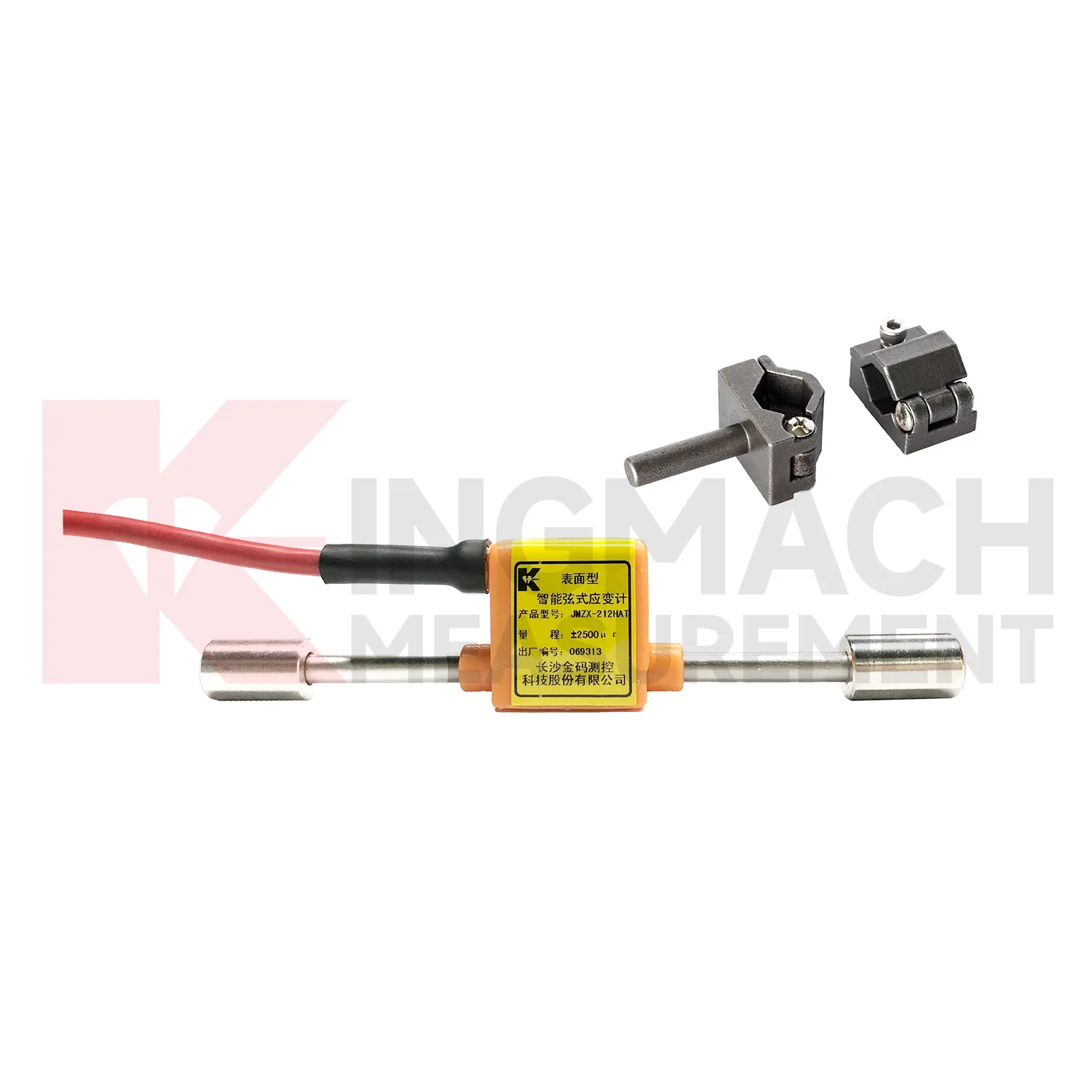
Smart vibrating wire strain gauge (surface model) JMZX-212HAT/HB
View Details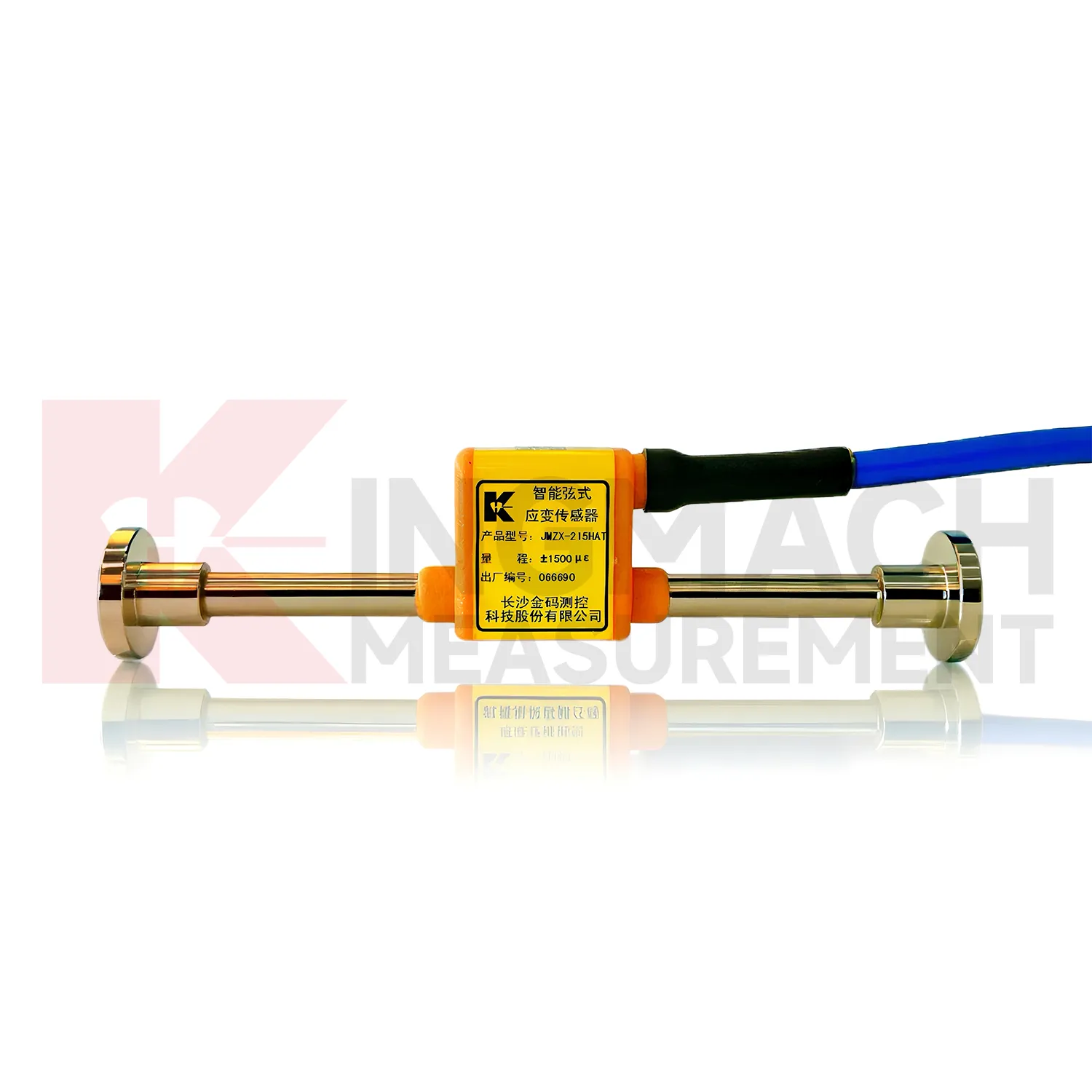
Smart vibrating wire strain gauge (embedment model) JMZX-215HA/215HAT/HB
View DetailsFAQ
The difference is mostly in how the sensor is integrated and protected for field use. A standard load cell is often a self-contained cylinder that gets sandwiched between flat surfaces. Our strain gauge force sensors are frequently built to be welded onto structural steel, embedded in concrete, or threaded onto a rock bolt. The strain gauges are bonded directly to the load-bearing element, and the whole assembly is sealed against moisture and chemicals. So you are not just buying a transducer; you are getting a sensing element that becomes part of the structure.
Yes, many are designed for submerged use. We use double O-ring seals, welded construction, and potted cable exits to keep water out, even at pressures found in dam galleries or deep drill holes. The cable itself is often armored and has a vent tube to equalize pressure if the sensor is going very deep. That said, you should specify the submersion depth when ordering so we can verify the sealing details.
Standard output is millivolt per volt (mV/V), which works well up to about 100 meters of shielded cable if you use a good differential amplifier. For longer distances, we offer 4–20 mA current loop or digital RS-485 output. The 4–20 mA version can drive signals over several kilometers without degradation, which is practical for large dam sites or tunnelling projects.
Accuracy depends on the specific model, but typical non-linearity is within ±0.5% of full scale, and repeatability is better than ±0.2%. Long-term stability is more about the installation and cable integrity. If the sensor is properly mounted and the cable is protected from physical damage, you can expect years of reliable data with minimal drift. We provide calibration intervals, but many users check them with portable load frames in situ if recalibration is needed.
Custom work is a big part of what we do. If you have an unusual anchor head diameter, a confined space between structural members, or need a sensor that fits an existing bolt pattern, we can design to your specifications. Just provide the drawings and load requirements, and our engineering team will propose a configuration. Lead times for custom sensors are typically 6-8 weeks.
Share your product type, target capacity, and application requirements. Our team can review the details and recommend a practical next step.
If you are interested in our products or want to become our partner.
Please leave your contact information, our team will contact you as soon as possible.
Mail: [email protected]
Contact Us: +8613808434127
Address: No. 188 Tongzipo West Rd, Changsha, Hunan, China