
 EN
EN
 ar
ar bg
bg hr
hr cs
cs da
da nl
nl fi
fi fr
fr de
de el
el hi
hi it
it ko
ko no
no pl
pl pt
pt ro
ro ru
ru es
es sv
sv tl
tl iw
iw id
id lv
lv lt
lt sr
sr sk
sk sl
sl uk
uk vi
vi et
et hu
hu th
th tr
tr fa
fa ms
ms hy
hy ka
ka ur
ur bn
bn mn
mn ta
ta kk
kk uz
uz ku
ku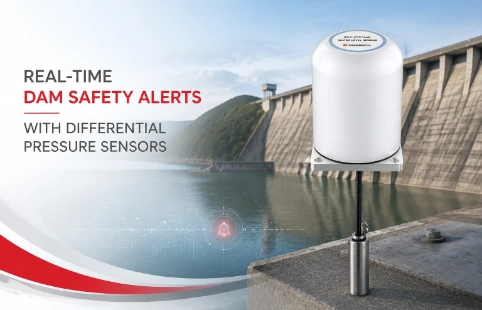
Real-Time Dam Safety Alerts with Differential Pressure Water Level Sensors
Key Takeaways An alert chain needs more than a sensor: define field in...

Strain Gauge Vibration Sensors for Precise Monitoring
A sudden shift in a dam’s foundation, a crack widening on a bridge pier—these aren’t just engineering problems, they’re warnings. For geotechnical and structural monitoring, the strain gauge vibration sensor remains a workhorse, translating minute deformations into actionable data. But not all sensors are equal. At Kingmach, we’ve spent years refining these instruments to handle the messy realities of field work: temperature swings, moisture, long cable runs, and the need for data you can trust without constant recalibration. Our approach combines proven strain gauge technology with thoughtful design—robust housings, integrated signal conditioning, and easy integration with most data loggers. Whether you’re measuring dynamic strain on a railway bridge or monitoring vibration on a tunnel lining, the right sensor makes the difference between a project that alerts you early and one that leaves you guessing. The sensors we supply are not off-the-shelf commodities; each one is configured to match your frequency range, sensitivity, and environmental requirements. From initial consultation to after-sales support, we make sure the hardware fits your project, not the other way around.
Technical Detail
The sensing element is a carefully bonded metallic foil strain gauge configured in a full bridge to cancel out temperature effects and provide a clean signal. Depending on your application, we can tailor the gauge factor, resistance, and excitation voltage to match common logger inputs. The excitation is typically 5–10 VDC, and the output is a low-level millivolt signal that can be amplified on-site. For longer cable runs, we offer built-in signal conditioning that converts the output to a robust 4–20 mA loop or digital RS485—reducing noise pickup and simplifying wiring. The sensor body is machined from stainless steel and sealed to withstand rain, dust, and immersion; standard models carry an IP67 rating, with IP68 available on request. Installation is straightforward with threaded studs or magnetic bases, and we can pre-attach cables of specified length with weatherproof connectors. Every unit ships with a calibration sheet certifying its linearity and sensitivity, and we keep records to support long-term drift analysis. Kingmach’s role extends beyond the hardware: our engineers help with sensor selection, wiring diagrams, and integration with your data acquisition system. We maintain stock in regional hubs to shorten lead times, and our after-sales team is available for troubleshooting and recalibration. For projects that demand non-standard ranges, special mounting fixtures, or accelerated delivery, our factory can adapt processes quickly without compromising quality.
News
Key Takeaways An alert chain needs more than a sensor: define field in...
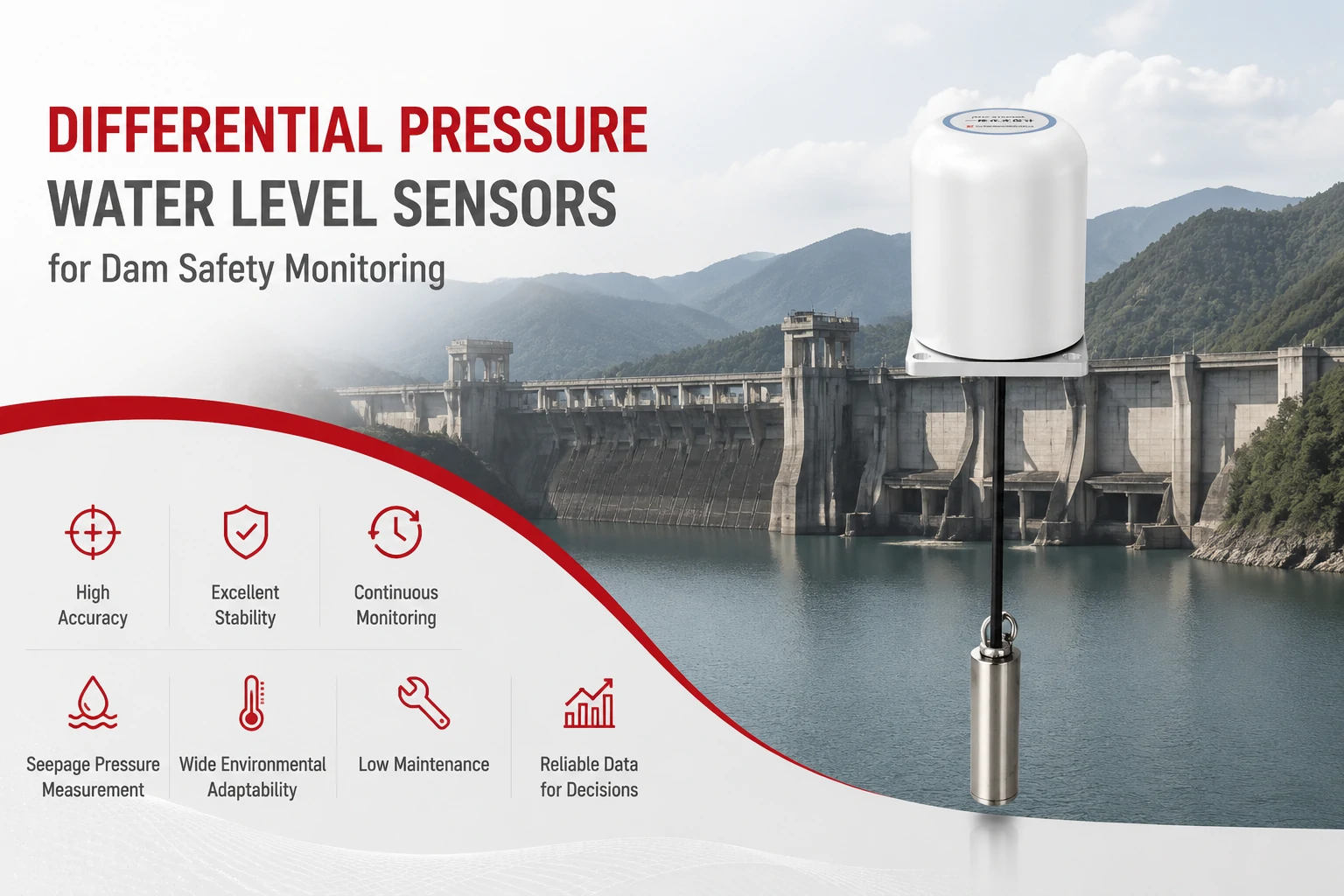
Key Takeaways The strongest fit is usually a confined, submerged, or s...
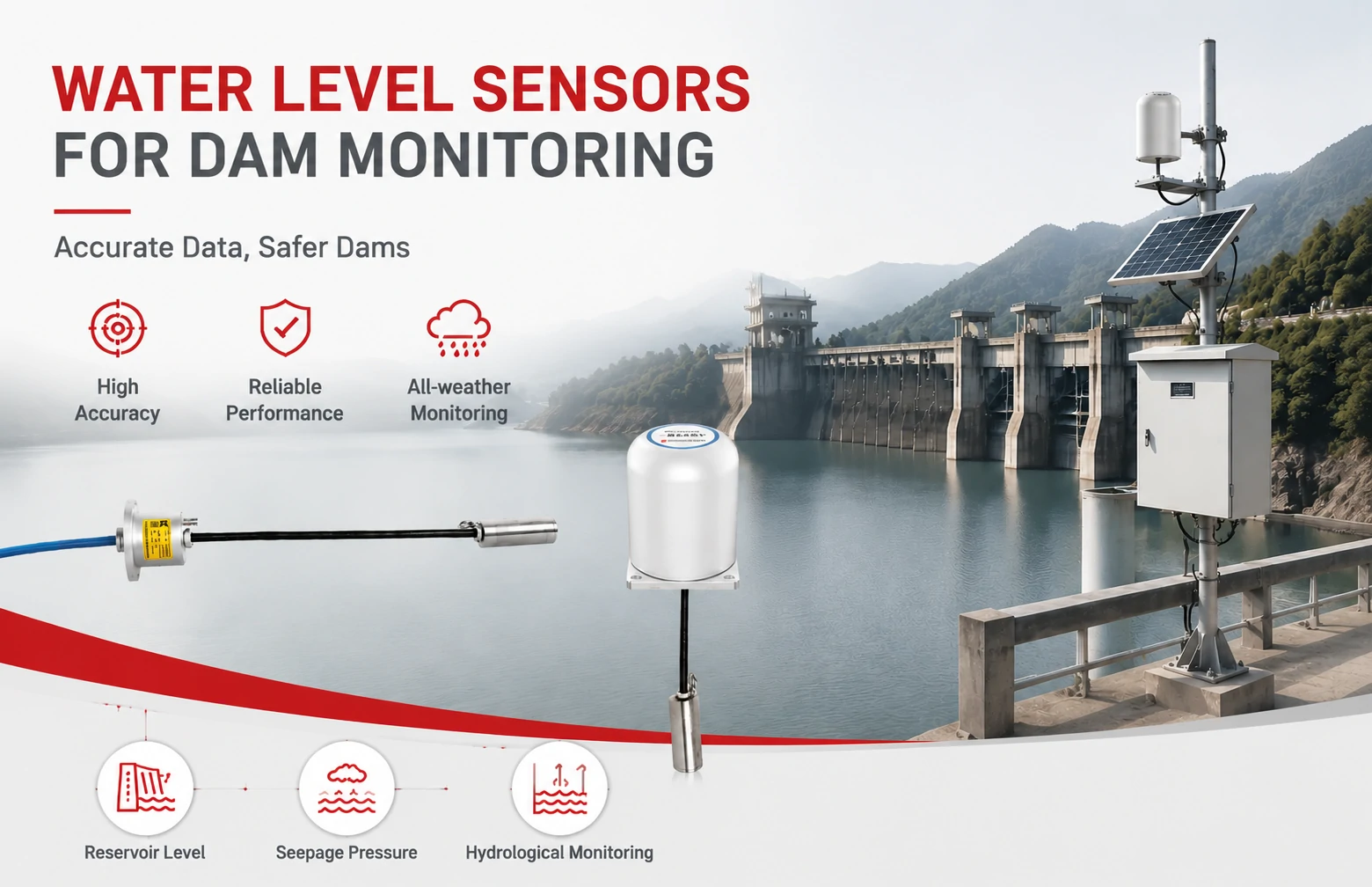
Kingmach Water Level Sensors for Dam Monitoring: A Buyer's Guide to Differential Pre...
Products
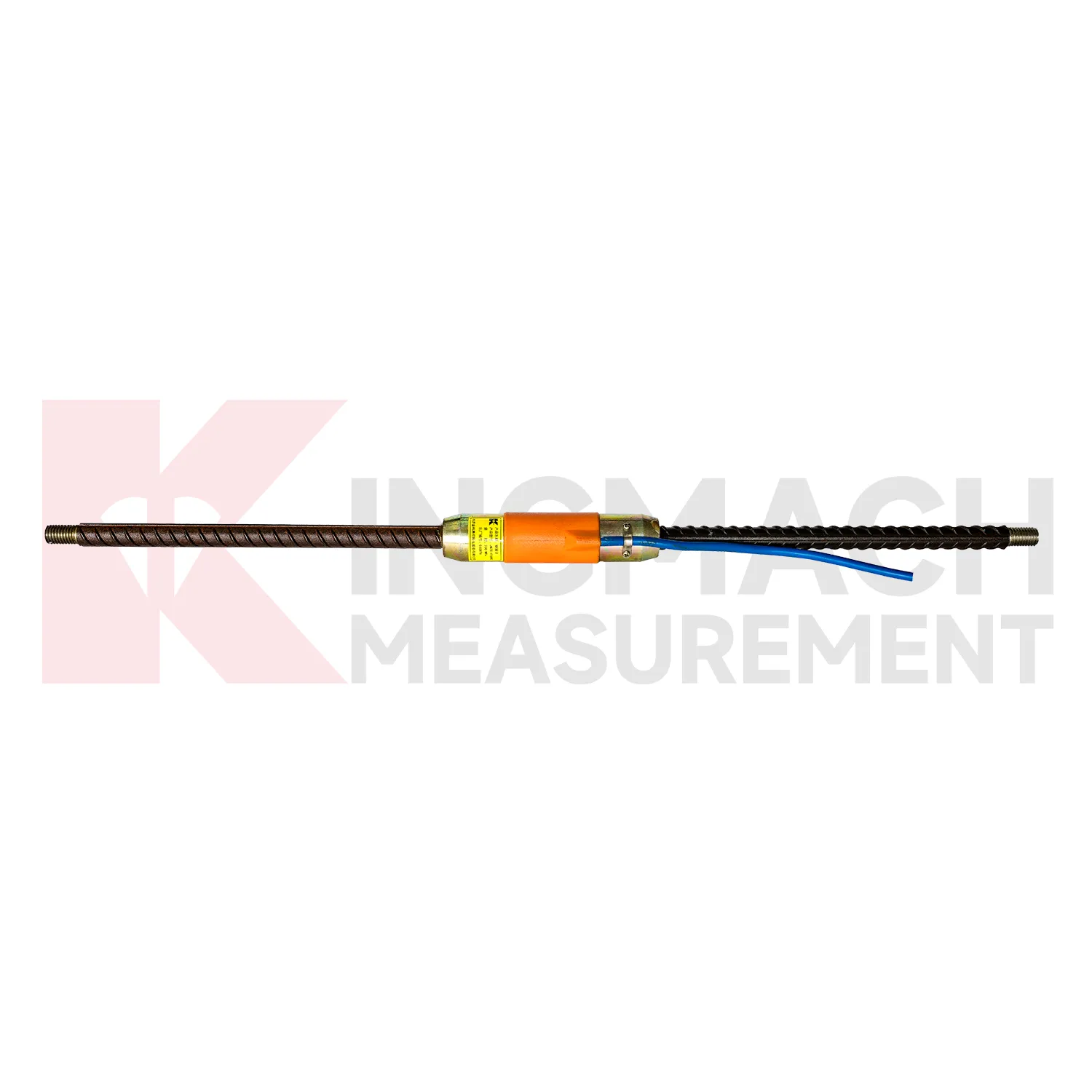
Rebar Strainmeters ( VW & Smart Type) JMZX-4XXHAT/HB
View Details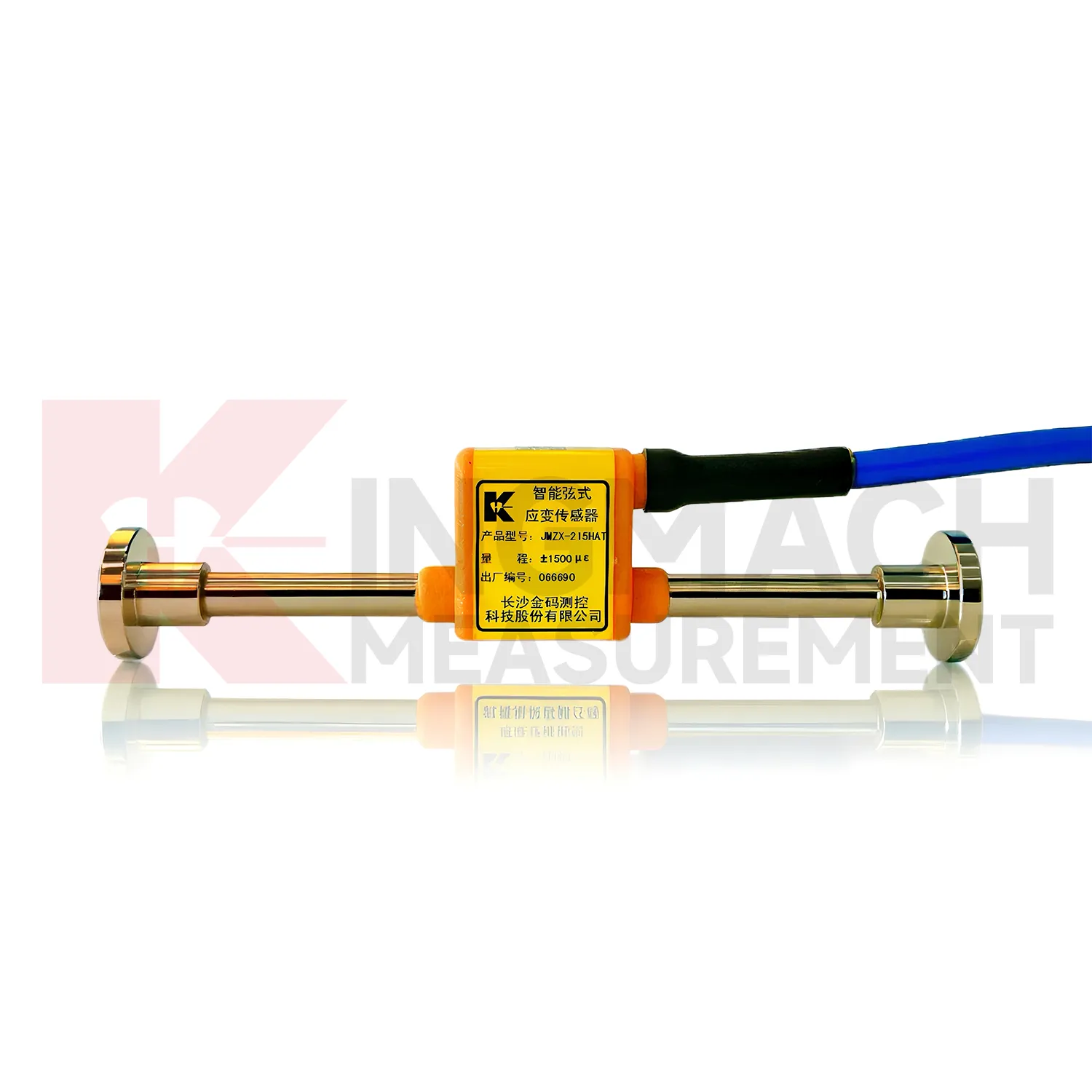
Smart vibrating wire strain gauge (embedment model) JMZX-215HA/215HAT/HB
View Details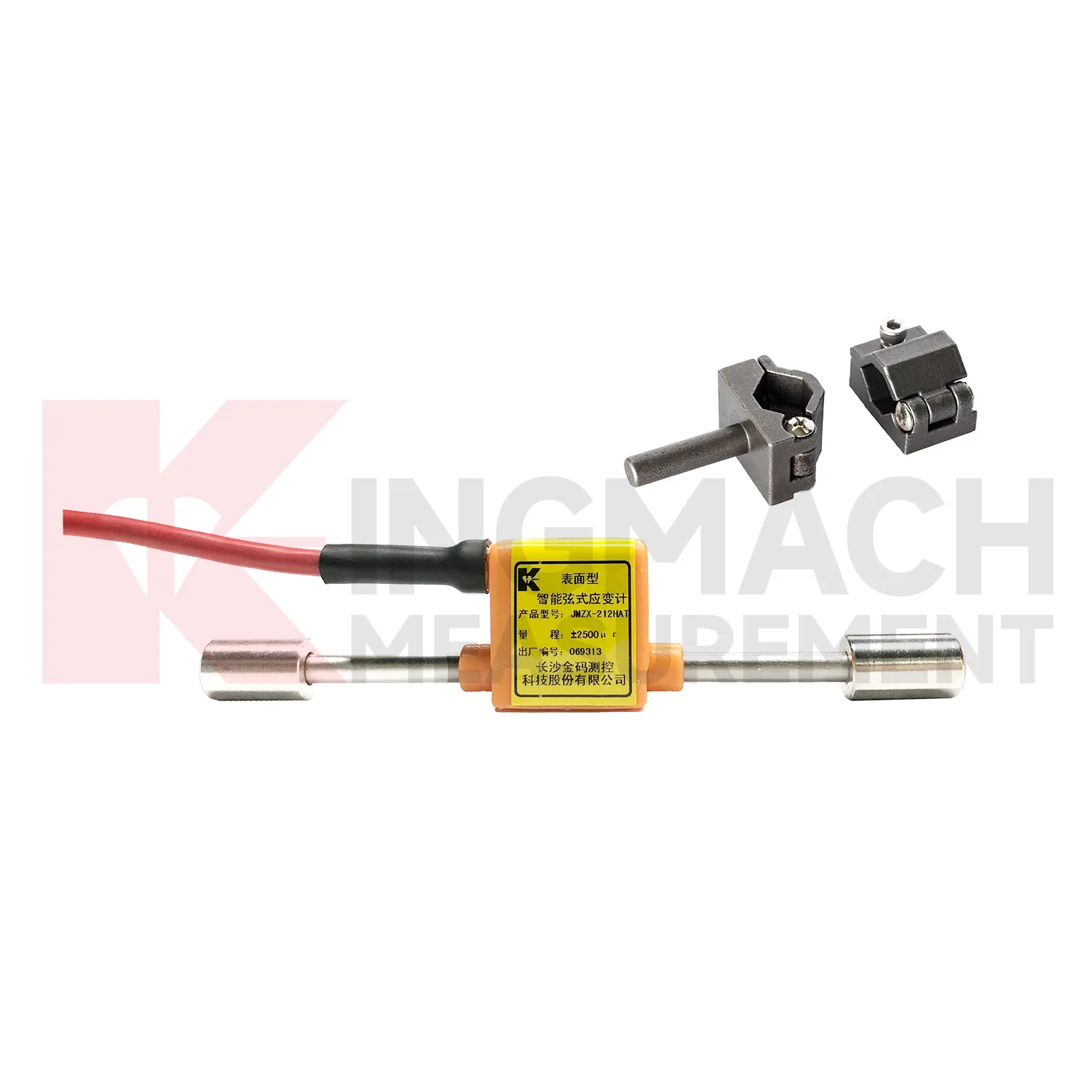
Smart vibrating wire strain gauge (surface model) JMZX-212HAT/HB
View DetailsFAQ
It comes down to what you need to measure. Strain gauge sensors directly sense deformation at the surface, which is ideal for low-frequency or static strain—like monitoring a retaining wall slowly leaning. Piezoelectric accelerometers are better at capturing high-frequency vibrations. For example, measuring the deformation of a concrete beam under a slow-moving load would be better with strain gauges. Piezoelectric accelerometers excel at capturing transient vibrations, like impact events. Kingmach’s strain gauge vibration sensors are optimized for low-frequency, high-sensitivity monitoring in geotechnical applications.
Yes, we offer customization for gauge factor, resistance, excitation voltage, and even the physical form factor to fit your mounting constraints. Our team works with you to define the exact specifications based on your application’s strain levels, frequency range, and environmental conditions.
Share your product type, target capacity, and application requirements. Our team can review the details and recommend a practical next step.
If you are interested in our products or want to become our partner.
Please leave your contact information, our team will contact you as soon as possible.
Mail: [email protected]
Contact Us: +8613808434127
Address: No. 188 Tongzipo West Rd, Changsha, Hunan, China