
 EN
EN
 ar
ar bg
bg hr
hr cs
cs da
da nl
nl fi
fi fr
fr de
de el
el hi
hi it
it ko
ko no
no pl
pl pt
pt ro
ro ru
ru es
es sv
sv tl
tl iw
iw id
id lv
lv lt
lt sr
sr sk
sk sl
sl uk
uk vi
vi et
et hu
hu th
th tr
tr fa
fa ms
ms hy
hy ka
ka ur
ur bn
bn mn
mn ta
ta kk
kk uz
uz ku
ku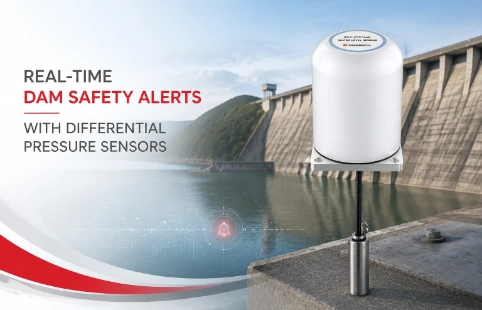
Real-Time Dam Safety Alerts with Differential Pressure Water Level Sensors
Key Takeaways An alert chain needs more than a sensor: define field in...

Wireless Inclinometer for Challenging Site Monitoring
A landslide monitoring project in steep terrain had us running cables across unstable ground—every storm meant a break. That kind of headache pushed us to develop a wireless inclinometer that actually stands up to the job. Kingmach’s unit cuts out the cabling entirely, transmitting data via radio or cellular networks. It is built around a MEMS sensor in a sealed stainless housing, so moisture and electrical noise are less of an issue. Installation is simpler: a single technician can lower the probe into an inclinometer casing and start getting readings within minutes. Power comes from internal batteries that last through a full monitoring season. For geotechnical engineers tired of chasing cable faults, it changes how you schedule maintenance visits. The device works across landslides, deep excavations, and dam abutments, sending tilt data to a cloud platform or your own server. If a project needs a custom sampling rate or a different output format, our engineering team handles it. We keep the price mid-range, because reliability shouldn’t mean premium pricing. This tool came from field experience, not just a datasheet.
Technical Detail
When a site is too remote for regular manual readings, a wireless inclinometer becomes the practical choice. Kingmach designs these instruments with the understanding that geotechnical monitoring often happens in wet, dusty, and electrically noisy environments. The sensor element is a MEMS accelerometer with built-in temperature correction, encased in a stainless steel probe. Because there is no wire to the surface, readings are not degraded by moisture ingress or rodent damage—common failure points with traditional cable-based systems. The probe transmits data wirelessly to a gateway that supports LoRa, 4G, or even satellite links depending on distance and terrain. This flexibility means you can monitor a slope five kilometers away without building a local network. Power consumption is kept low so that the internal battery lasts several months under typical half-hour logging intervals; a solar-charged option extends that further. Kingmach can pre-configure units to match local communication regulations and preferred cloud dashboards. Assembly is straightforward: the inclinometer probe clips onto a removable battery module, and the whole train is lowered on a cable until you hit the desired depth. There is no complex connector alignment, which speeds up field work. The data output is standard CSV or Modbus RTU, so importing into existing SCADA or GIS systems is rarely an issue. We stock a range of accessories—mounting brackets, recovery tools, spare battery packs—and offer remote diagnostics if troubleshooting is needed. Our technical support team typically responds within 24 hours, and we keep a small stock of finished goods for rapid shipment. For larger projects, we work with global distributors who can handle on-site commissioning and training.
News
Key Takeaways An alert chain needs more than a sensor: define field in...
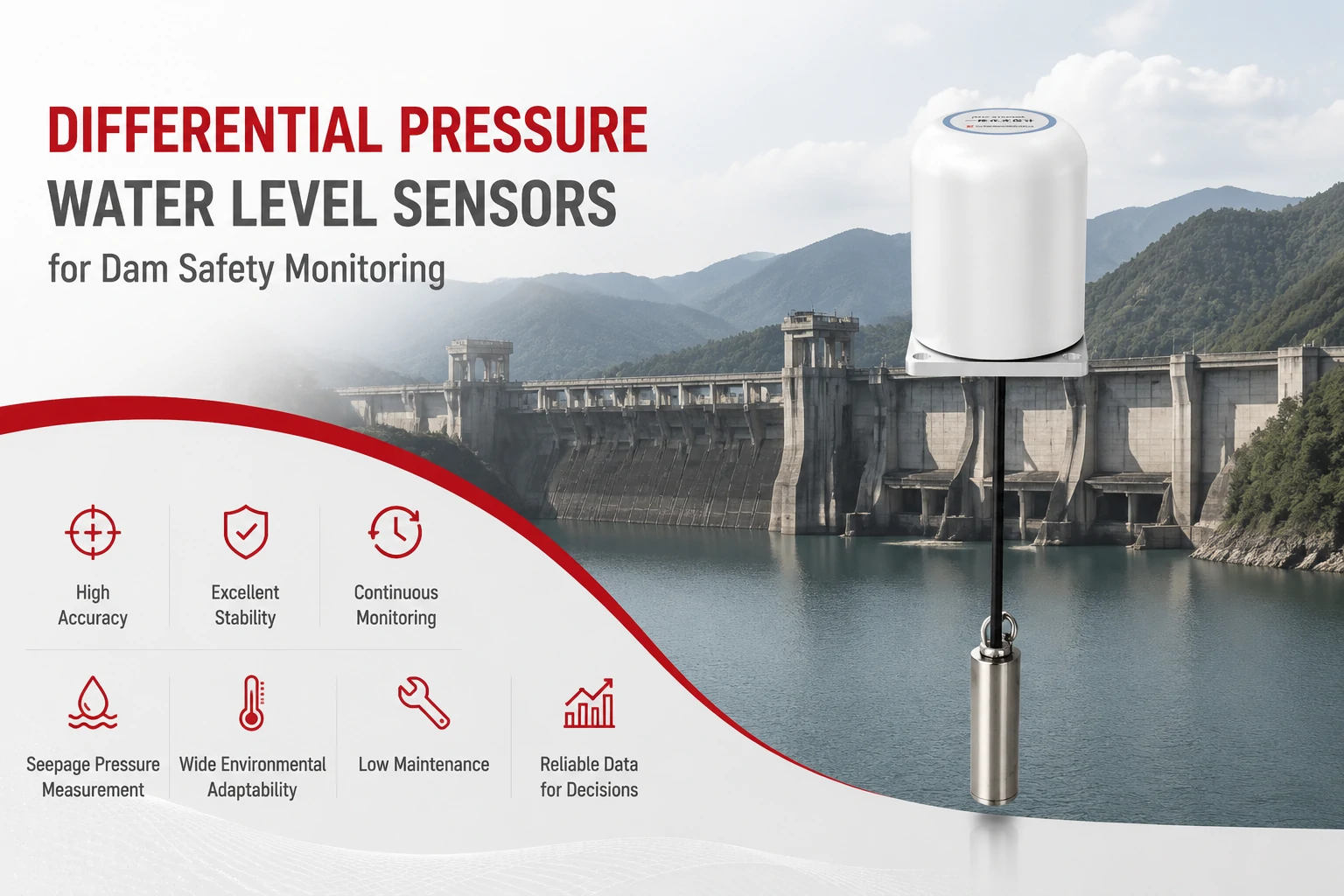
Key Takeaways The strongest fit is usually a confined, submerged, or s...
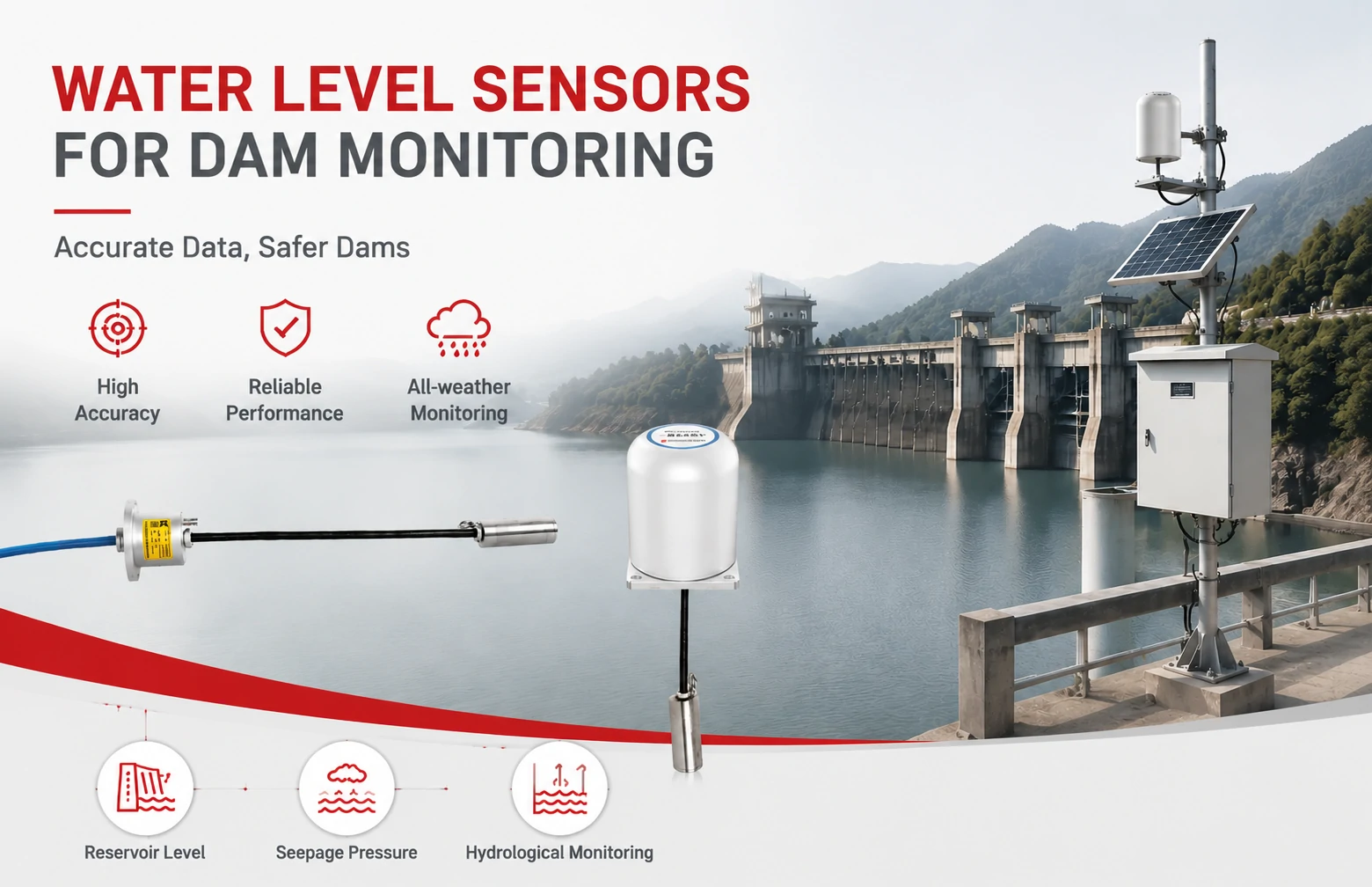
Kingmach Water Level Sensors for Dam Monitoring: A Buyer's Guide to Differential Pre...
Products
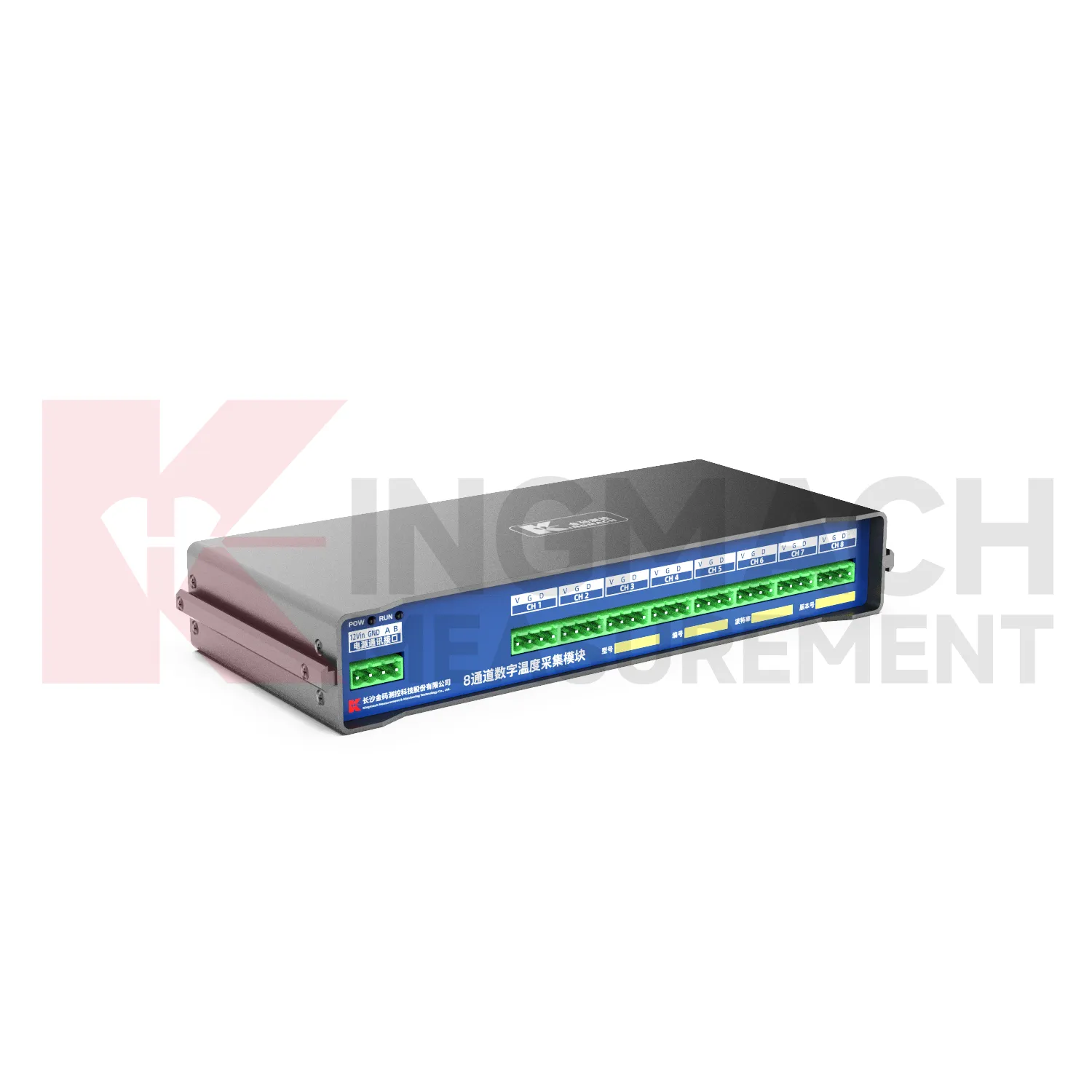
8-Channel Digital Temperature Acquisition ModuleJMWT-8DTH
View Details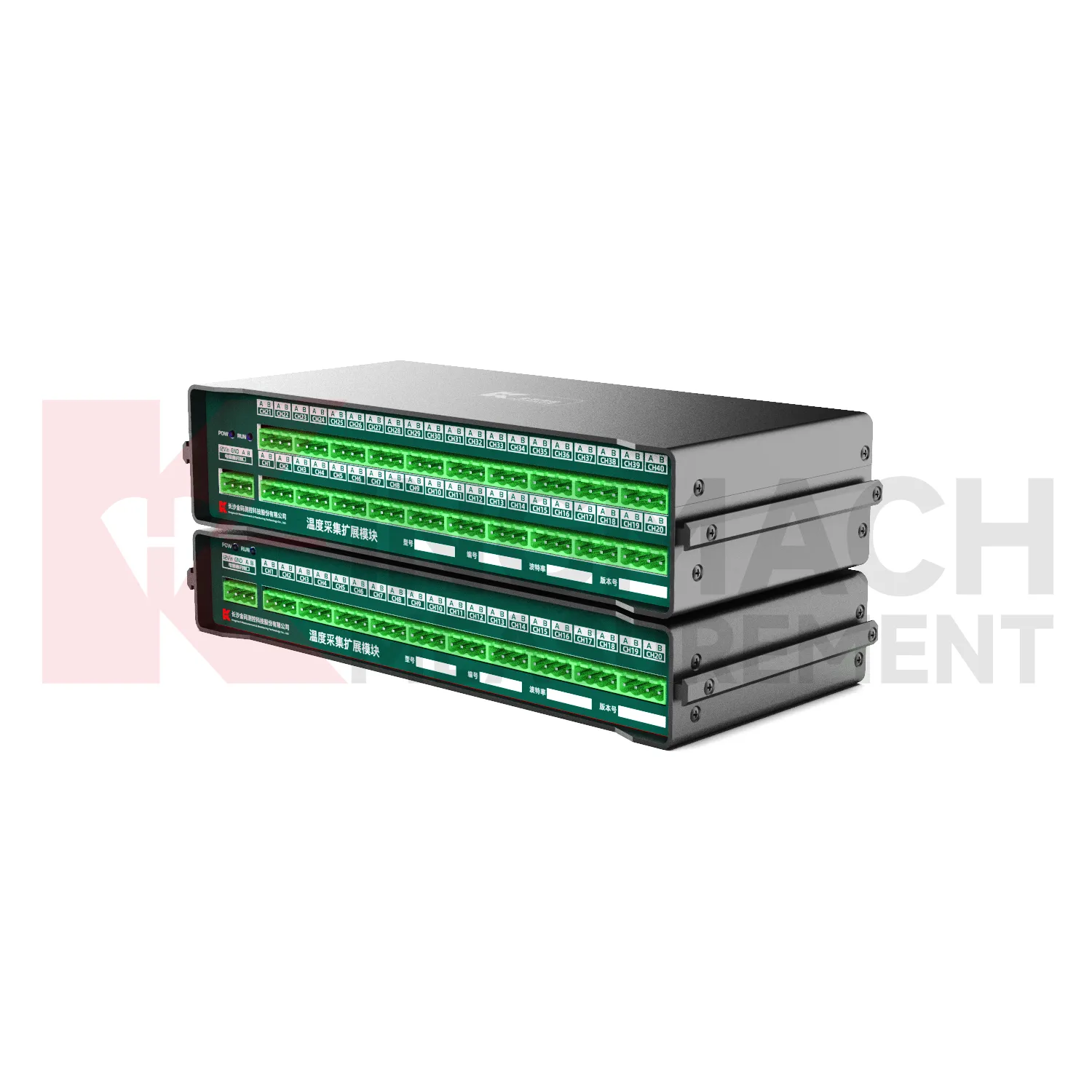
Temperature Acquisition Expansion Module JMWT-XXRTH
View Details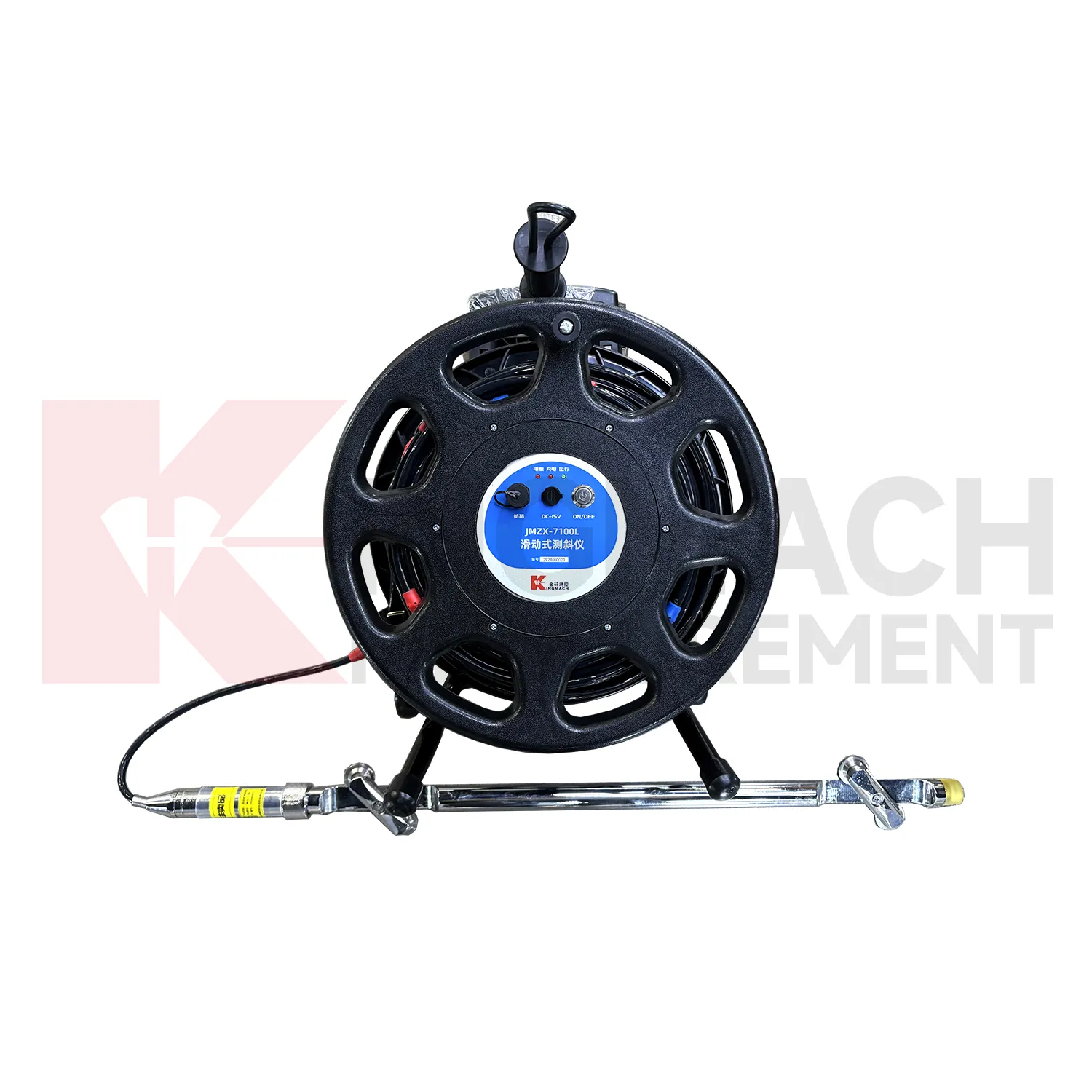
FAQ
Battery life depends on sampling frequency. Under one reading per hour, the internal pack commonly lasts six to eight months. Batteries are in a removable module at the collar of the probe; the technician unclips the old pack and attaches a new one—no need to pull the entire string out of the hole every time.
With a LoRa gateway, line-of-sight range often exceeds 5 km. In urban or obstructed settings, a 4G-based configuration typically works anywhere there is cellular coverage. We help select the right radio option during the project design phase.
Yes, the probe is sized to fit standard 70 mm and 85 mm grooved casing. The wheel assemblies are adjustable to match different groove diameters. As long as the casing is not severely deformed, installation goes smoothly.
We provide access to a cloud platform if the customer prefers, but many clients prefer pulling data directly into their own monitoring software. The gateway can push readings to any MQTT broker or HTTP endpoint, so integration is open.
The top of the probe has a threaded recovery point meant for a standard retrieval cable. In the rare case of a jam, our support team can guide your crew through the retrieval procedure. We also sell a recovery kit with a jacking clamp and lubricant.
Share your product type, target capacity, and application requirements. Our team can review the details and recommend a practical next step.
If you are interested in our products or want to become our partner.
Please leave your contact information, our team will contact you as soon as possible.
Mail: [email protected]
Contact Us: +8613808434127
Address: No. 188 Tongzipo West Rd, Changsha, Hunan, China