
 EN
EN
 ar
ar bg
bg hr
hr cs
cs da
da nl
nl fi
fi fr
fr de
de el
el hi
hi it
it ko
ko no
no pl
pl pt
pt ro
ro ru
ru es
es sv
sv tl
tl iw
iw id
id lv
lv lt
lt sr
sr sk
sk sl
sl uk
uk vi
vi et
et hu
hu th
th tr
tr fa
fa ms
ms hy
hy ka
ka ur
ur bn
bn mn
mn ta
ta kk
kk uz
uz ku
ku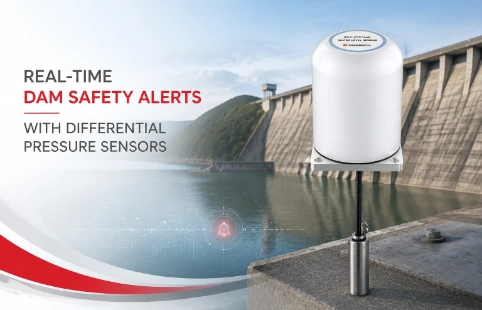
Real-Time Dam Safety Alerts with Differential Pressure Water Level Sensors
Key Takeaways An alert chain needs more than a sensor: define field in...

Wireless Temp Data Logger: Precision Without Wires
Most temperature monitoring setups still rely on cables running through conduit, which limits where you can place sensors and adds labour cost. A wireless temp data logger drops the wires and sends readings over Bluetooth, Wi-Fi, or sub‑GHz RF, depending on the model. That means you can stick a logger inside a walk-in freezer or attach one to a shipment pallet and still see data in real time. At Kingmach, the loggers are built around industrial‑grade sensors and radios that maintain sync even when signals bounce between metal racking. The focus is on data integrity: configurable sampling intervals, onboard storage that acts as a fallback if connectivity drops, and battery life measured in months rather than weeks. They fit into cold chain, warehouse, and lab workflows where missing a temperature excursion isn’t an option. The technical side matters here because compatibility with existing probes, software platforms, and reporting systems is what turns a simple logger into part of a monitoring system. That’s what the next section digs into.
Technical Detail
Choosing a wireless temp data logger usually comes down to three things: what it can measure, how it talks to your network, and what happens to the data after it’s recorded. On the measurement side, Kingmach loggers work with thermocouple, RTD, and thermistor inputs. That covers most benchtop, environmental, and process ranges, from deep freeze to autoclave. Internal sensors are spot-calibrated in‑house, and the resolution is fine enough to catch small drifts that cheaper loggers smooth over. For remote probes, the connection is via industry‑standard mini‑plug or screw terminal, so swapping a damaged sensor doesn’t require sending the whole unit back. Connectivity varies by application. Short‑range Bluetooth versions pair with a phone or tablet for local configuration; LoRa or Wi‑Fi versions push data to a central server without a dedicated gateway in between. All units store readings locally as well, so a temporary network outage doesn’t leave gaps. Sample rates are adjustable from seconds to hours. Data handling is where compatibility makes a real difference. Kingmach loggers export to CSV and can integrate with third‑party SCADA via Modbus TCP or MQTT if the project needs it. The web dashboard shows real‑time trends and sends alerts by email or SMS when thresholds are breached. For smaller setups, a standalone PC application gives the same detail without requiring any cloud subscription. Kingmach builds these loggers in mid‑range volumes for geotechnical and industrial monitoring, so customization is available: private labelling, specific alarm profiles, or pre‑loaded firmware tuned to a narrow temperature band. Shipments go through a global distributor network with technical support available during local business hours.
News
Key Takeaways An alert chain needs more than a sensor: define field in...
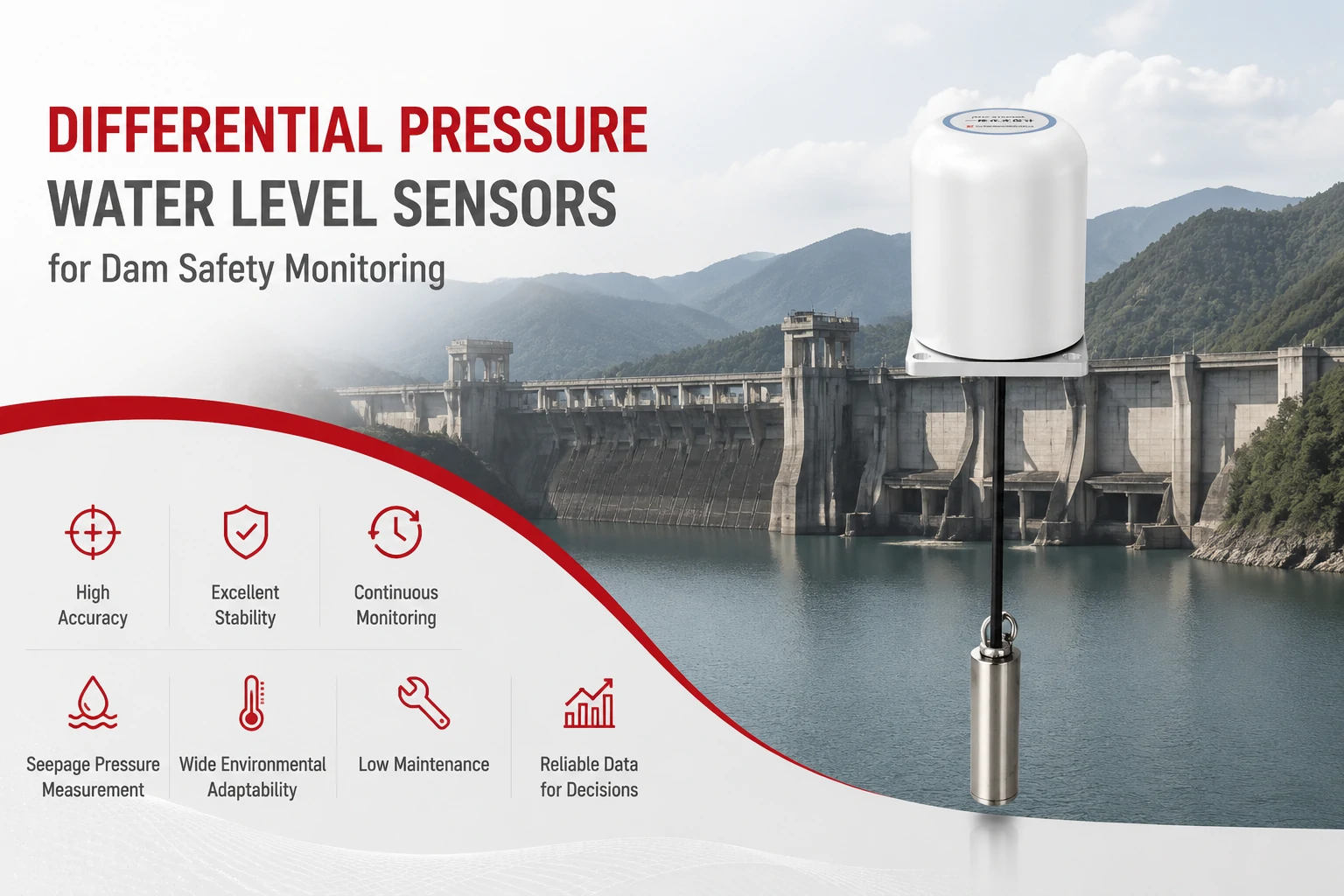
Key Takeaways The strongest fit is usually a confined, submerged, or s...
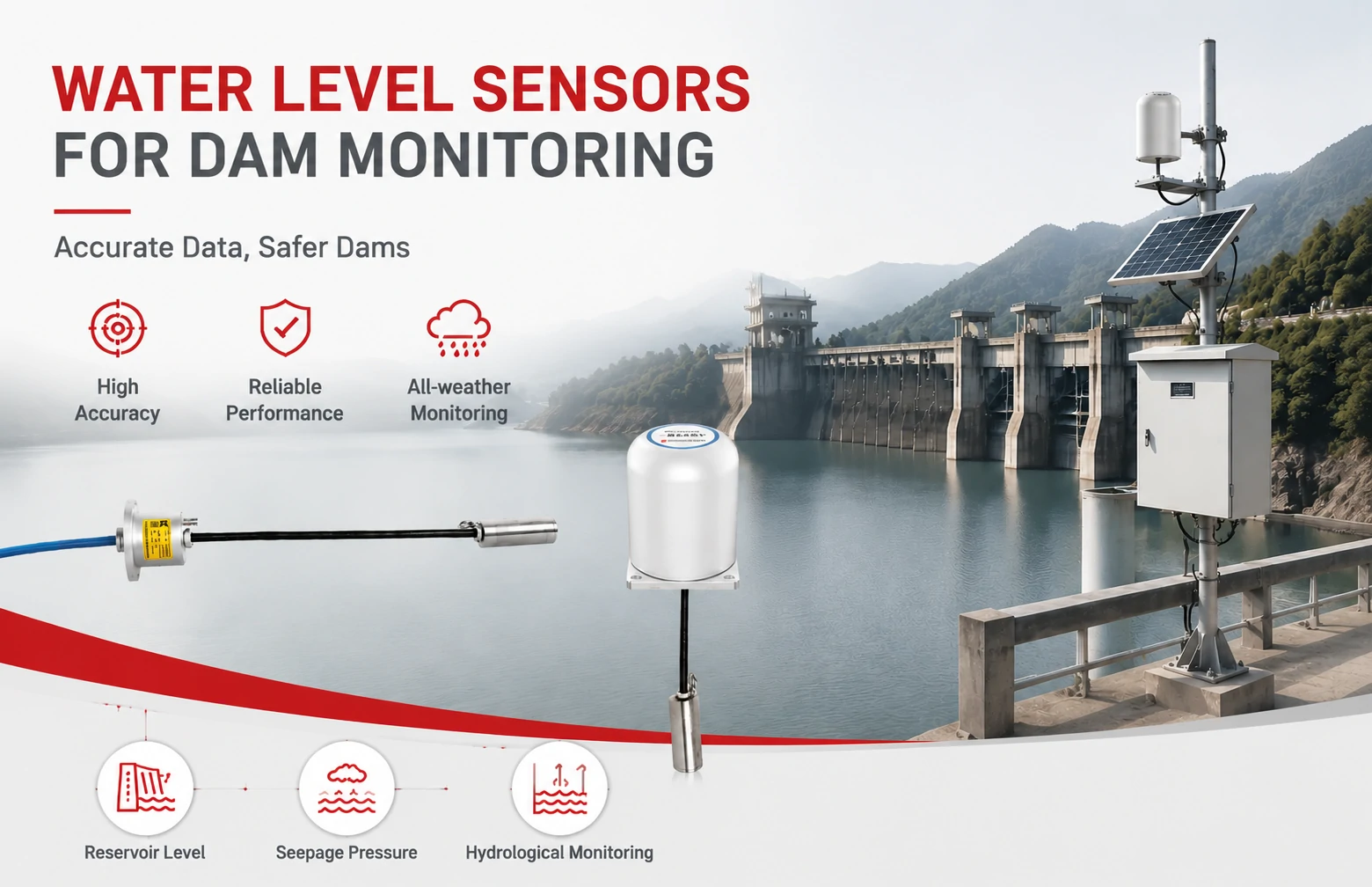
Kingmach Water Level Sensors for Dam Monitoring: A Buyer's Guide to Differential Pre...
Products
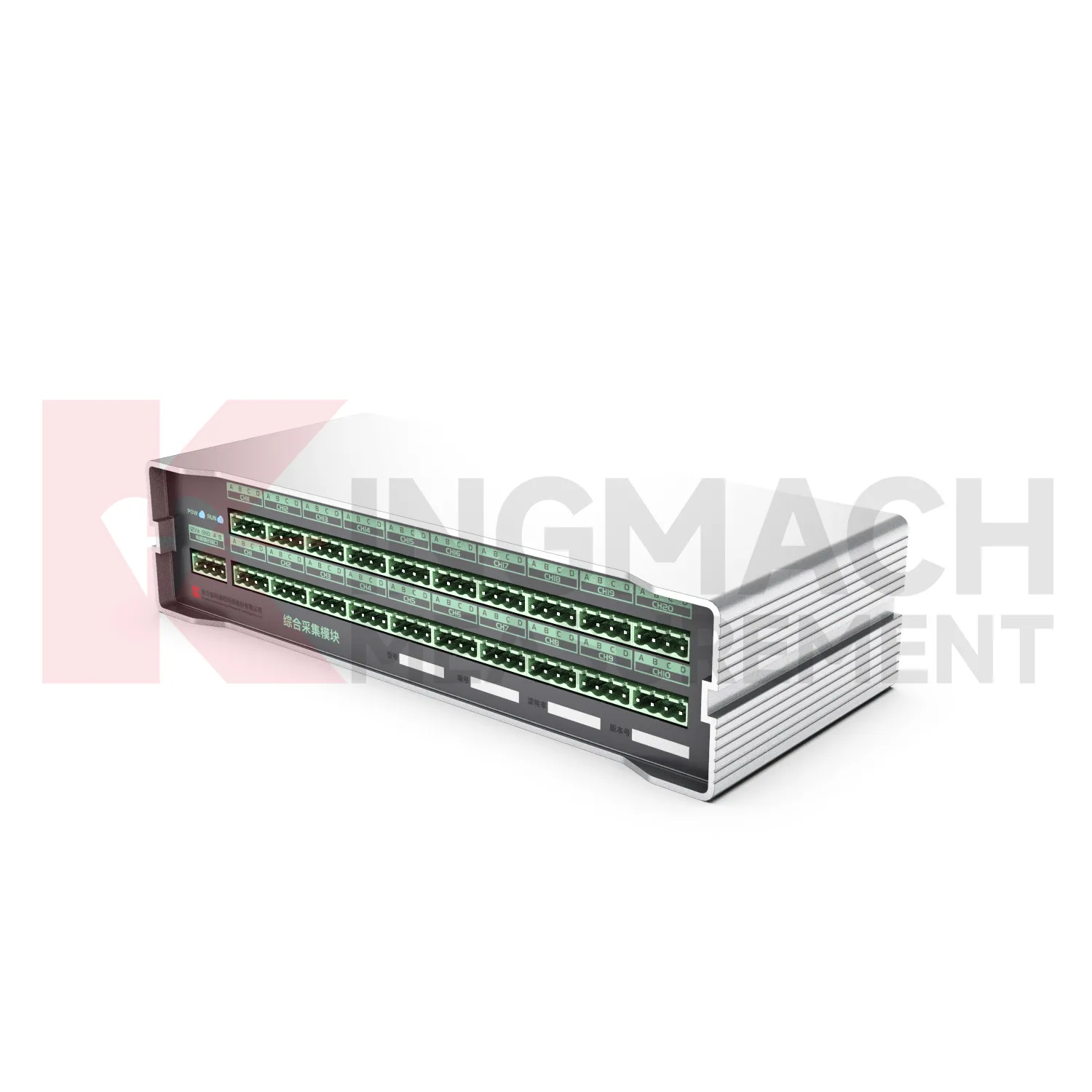
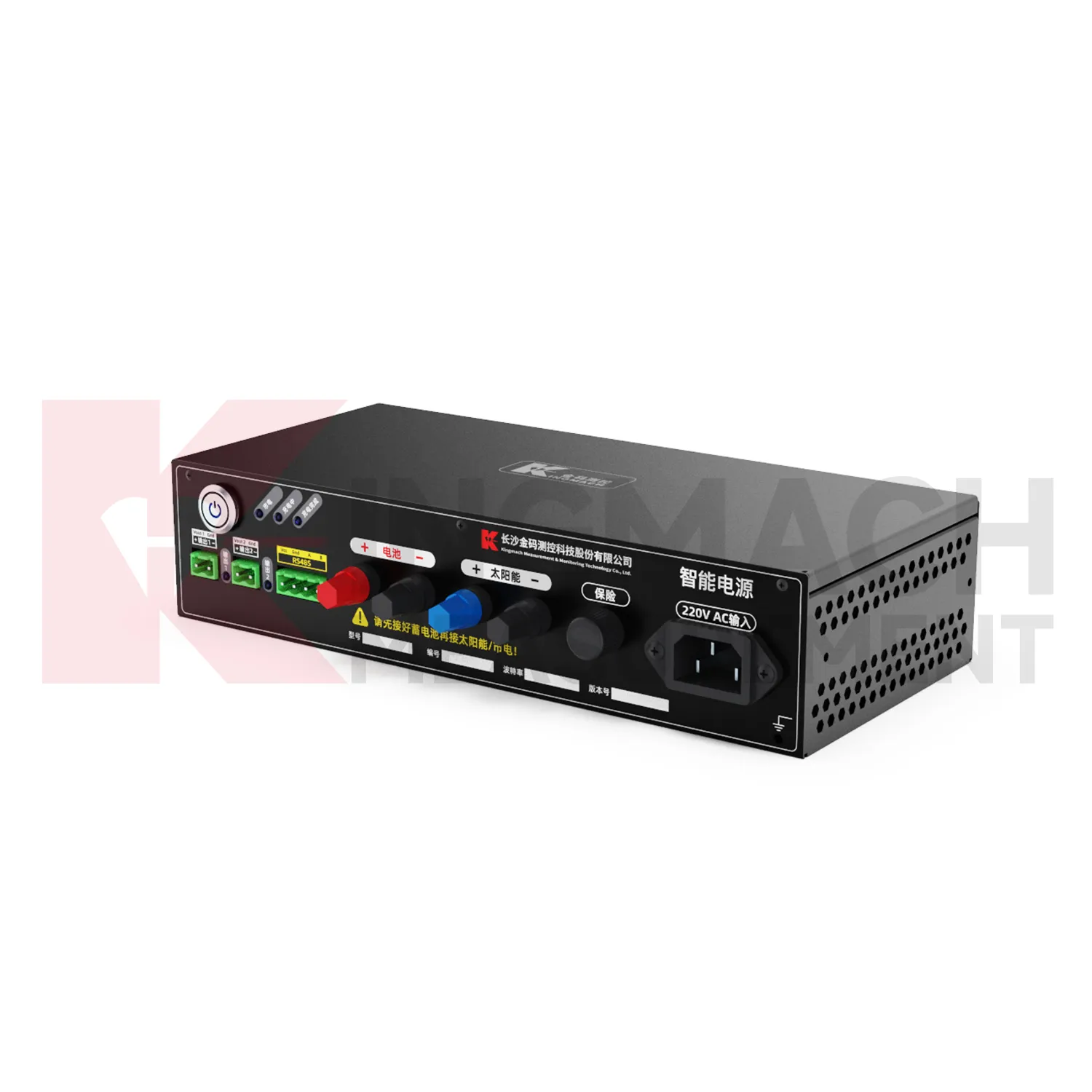
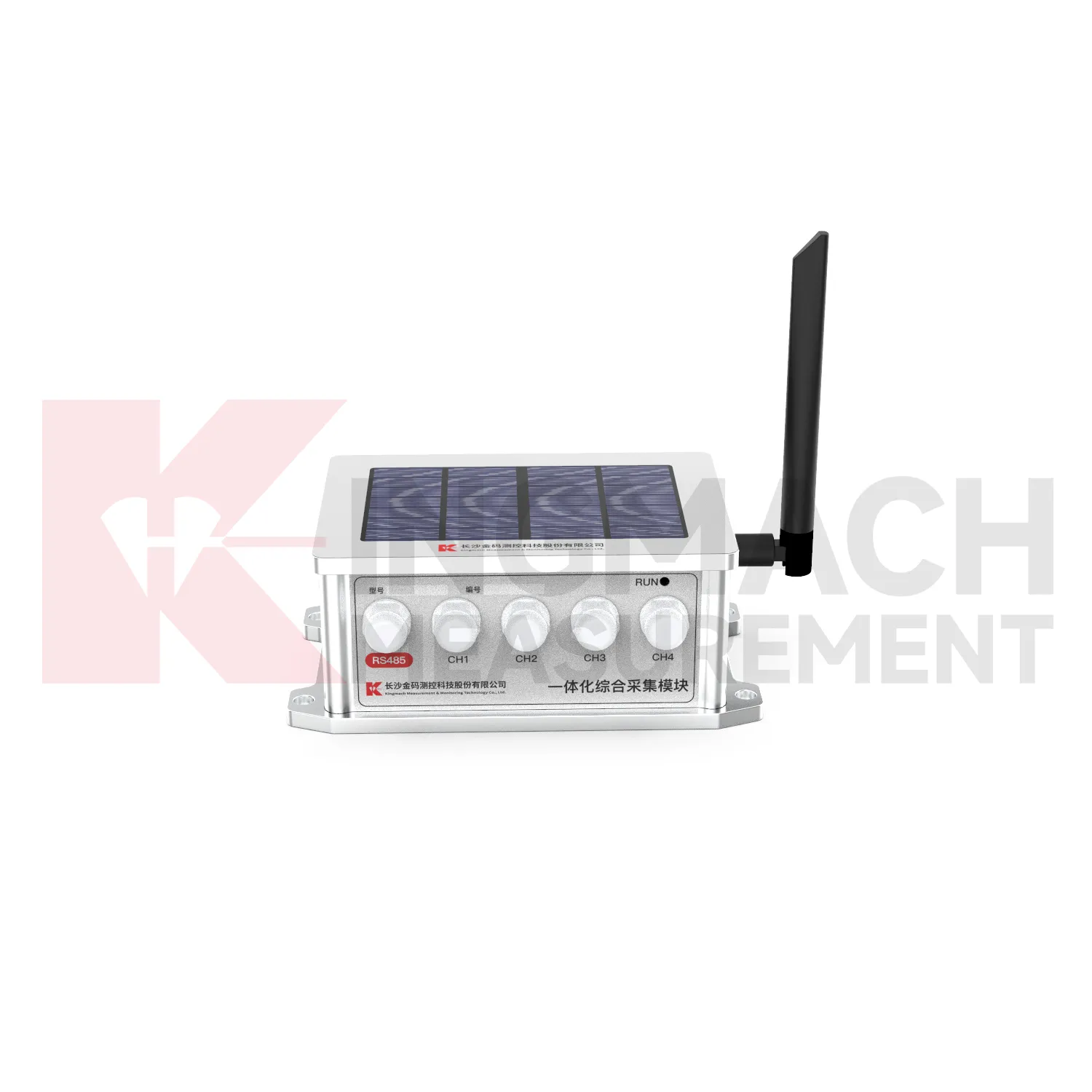
Integrated Comprehensive Acquisition Module JMZX-4/8GH-RTU
View DetailsFAQ
That depends on the radio and the surrounding metal. A standard Bluetooth unit usually holds a connection up to about 30 metres indoors if there are no thick walls. LoRa‑based loggers can go much farther—often 500 metres or more in open space, and still reliable through a few concrete walls. If the signal path has heavy shelving, a repeater or gateway helps, and many installations use a mesh of loggers that relay data.
All Kingmach loggers have onboard memory, so they keep recording at the set interval even without a live connection. When the link comes back, the stored data is automatically offloaded to the server or phone app. The memory size varies by model, but it’s typically enough for several days of readings at one‑minute intervals. Some units also have a local display that shows current values during an outage.
Yes, as long as the connector and type match. The standard input accepts mini‑plug thermocouples types K, J, T, and E, and there are also models with terminal blocks for bare‑wire RTDs. The logger automatically detects the sensor type on power‑up, so you don’t need to set anything in software. If you need a non‑standard curve, Kingmach can pre‑load a custom calibration table at the factory.
Most setups use the web dashboard or a local PC application to export CSV files that can be imported anywhere. For direct machine‑to‑machine integration, some models support Modbus TCP or MQTT, which lets SCADA or building management systems poll real‑time values. The protocol is documented, so your IT team can handle the integration without extra licensing.
Battery life varies with transmission power and sleep mode design, but a typical unit set to report every 10 minutes over Bluetooth will run about 12 to 18 months on a pair of AA lithium cells. Models that use sub‑GHz radios for long range tend to last 2 years or more with the same interval. All units give a low‑battery warning through the software well before the cells die, so you have time to swap them during a routine check.
Share your product type, target capacity, and application requirements. Our team can review the details and recommend a practical next step.
If you are interested in our products or want to become our partner.
Please leave your contact information, our team will contact you as soon as possible.
Mail: [email protected]
Contact Us: +8613808434127
Address: No. 188 Tongzipo West Rd, Changsha, Hunan, China